Letting little kids anywhere near food prep can feel like a shortcut to chaos.
Why Letting Kids “Help” (Even When It’s Messy) Is Worth It
Flour on the floor, carrot peels stuck to socks, someone licking the spoon right before it goes into the batter… again.
Here’s the quieter story science tells us: when children are involved in making and serving food, they’re more likely to:
- Try new foods
- Feel confident and capable
- Build language, math, and fine motor skills
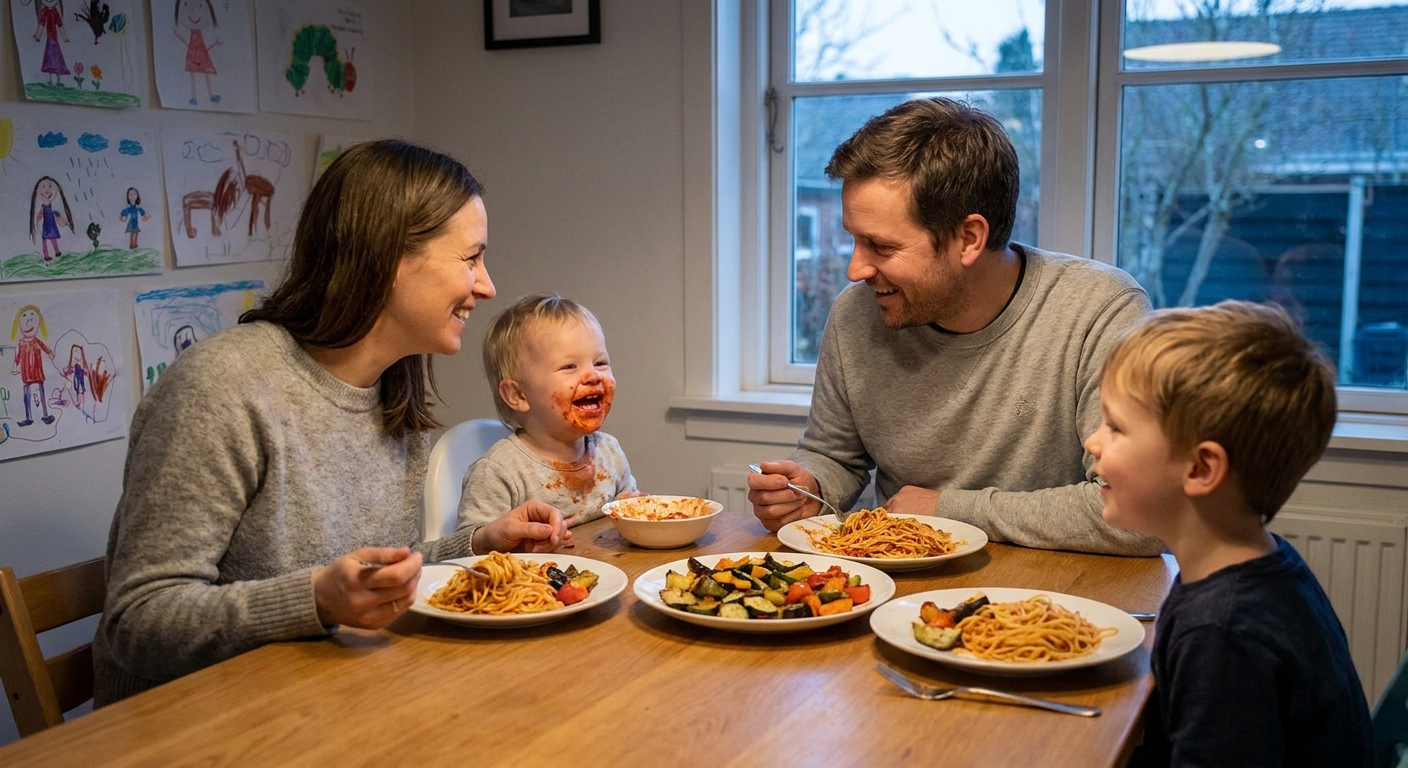
- See mealtimes as a shared family project, not a chore
You don’t need Instagram-perfect baking sessions. Five minutes of real, slightly messy help is plenty.
You’re not just making dinner—you’re slowly raising a person who feels at home in the kitchen and at the table.
Safety First: Ground Rules that Make Helping Work
Before we talk about ages and tasks, a few gentle guidelines:
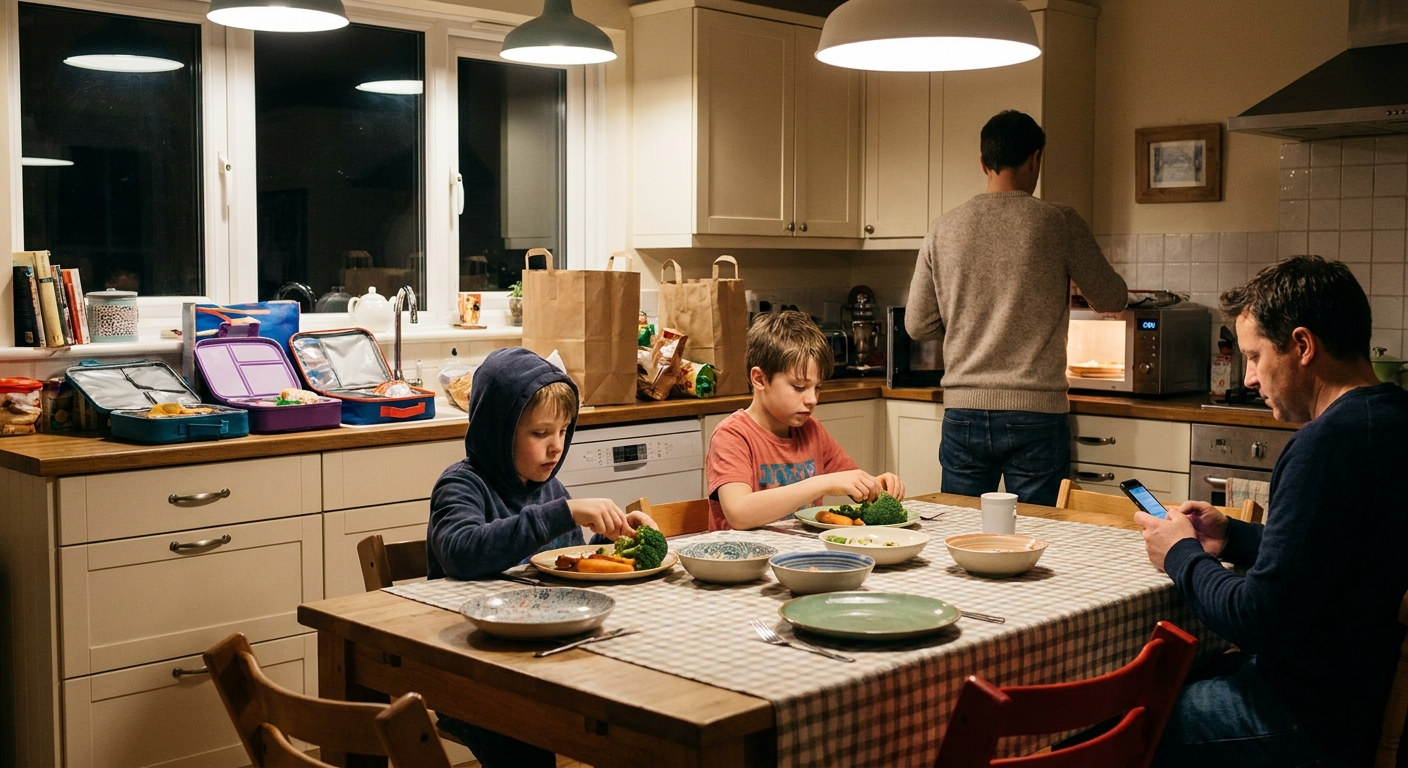
- Choose calm-ish moments. A hungry, tired toddler at 6:00 p.m. is not your best sous-chef. Try prep earlier in the day when possible.
- Use a safe setup. A sturdy step stool or learning tower, set away from hot surfaces and sharp knives.
- Give jobs, not full control. You are still the pilot. They’re your “assistant,” with clear tasks.
- Protect yourself from perfectionism. Helping is about participation, not efficiency or neatness.
With those in place, you can start inviting your child in—bit by bit.
Babies (6–12 Months): Early Explorers at the Table
At this stage, “helping” is really about exposure.
Ideas:
- Bring baby to the kitchen in a high chair while you cook.
- Hand them safe kitchen tools to explore: a silicone spatula, plastic measuring cups.
- Describe what you’re doing: “I’m chopping a red pepper. It’s crunchy and juicy.”
At family meals:
- Let them watch you eat.
- Offer soft, age-appropriate finger foods if they’re ready for solids.
The goal isn’t productivity. It’s letting them soak in the sights, sounds, and rhythms of cooking and sharing food.
Toddlers (1–3 Years): Enthusiastic (and Messy) Assistants
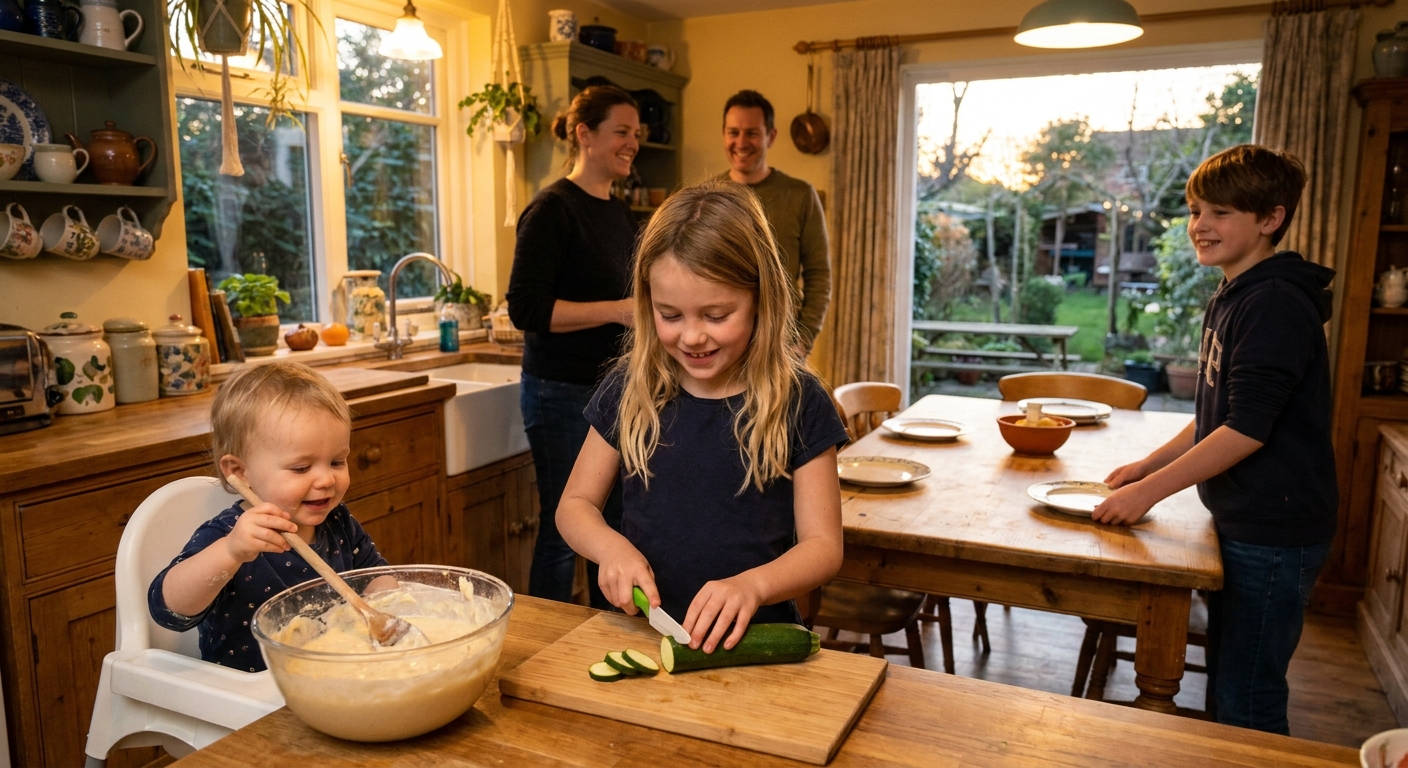
Toddlers love real jobs. They also have short attention spans and big feelings. Keep tasks brief, clear, and sensory.
Simple, safe jobs
- Washing produce in a colander in the sink.
- Tearing lettuce or leafy herbs.
- Adding pre-measured ingredients to a bowl.
- Stirring batter or mixing salad (with your hands over theirs if needed).
- Transferring dry ingredients with a scoop or spoon.
Always supervise closely and set gentle boundaries:
“The spoon is for stirring, not for throwing. If it’s too tricky right now, we’ll try again another day.”
At the table
Let toddlers:
- Place napkins (they don’t have to be straight).
- Put their own cup or spoon at their spot.
- Help wipe the table with a damp cloth afterward.
These tiny rituals build a sense of belonging: I am part of how our family eats together.
Preschoolers (3–5 Years): Proud Kitchen Partners
Preschoolers are ready for more complex jobs and love hearing, “You’re really helping.”
Kitchen tasks with supervision
- Measuring ingredients with cups and spoons.
- Cutting soft foods with a kid-safe knife (bananas, mushrooms, soft cheese).
- Cracking eggs into a separate bowl (you can fish out the shells).
- Shaping meatballs or rolling dough.
- Choosing between options: “Carrots or cucumbers for our side?”
Use it as a chance to gently build skills:
- Counting scoops (“We need three spoons of oats.”)
- Talking about textures and smells
- Naming colors and shapes
At the table
Preschoolers can:
- Help carry non-breakables: condiments, napkins, bread basket.
- Serve themselves small amounts from family-style bowls.
- Take turns asking the “question of the day.”
A sample script:
“Your job is to put a little salad on each plate. You decide how much. That’s a big helper job.”
Simple “Helper-Friendly” Meal Ideas
You don’t need special recipes. Just choose meals with built-in kid jobs.
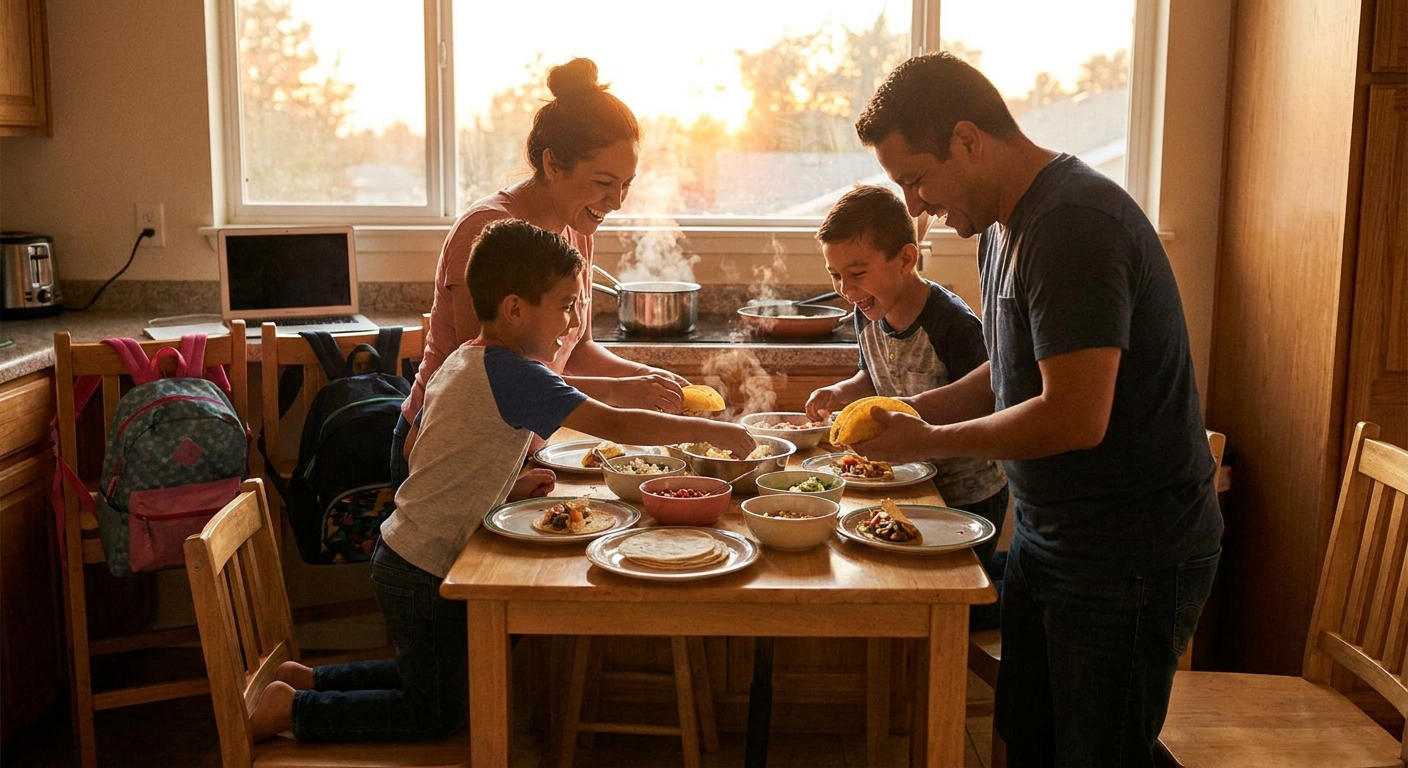
1. Build-Your-Own Tacos or Wraps
Kids can:
- Sprinkle cheese
- Tear lettuce
- Help arrange toppings in small bowls
You provide a variety: beans, meat, cheese, shredded veggies, avocado, salsa.
Everyone assembles their own at the table. Low pressure, high fun.
2. Snack Plate Dinner
On busy nights, turn balanced snacks into a family meal.
Include:
- A grain (crackers, pita, toast fingers)
- A protein (cheese, hummus, eggs, leftover chicken)
- Fruits and veggies
Kids can:
- Wash grapes (cut for safety afterward)
- Place crackers on a plate
- Arrange food in patterns or faces
It’s playful and still nourishing.
3. DIY “Salad Bar” or Baked Potato Bar
Offer a base (lettuce, rice, potatoes) and a few toppings:
- Beans or lentils
- Cheese
- Chopped veggies
- Seeds or croutons
Kids can:
- Sprinkle toppings
- Stir dressing in a jar with a tight lid (shake, shake, shake!)
This pattern grows with them as they age.
Handling the Mess (Without Killing the Joy)
It’s okay to protect your own sanity. A few tips:
- Contain the chaos: Lay a towel or mat under the stool or chair.
- Choose your moments: Involve kids when you have a tiny bit more time, not when you’re already on edge.
- Define an end point: “We’ll stir three times together, then it’s my turn to finish.”
Cleanup can be part of the job:
- Toddlers can put scraps in a bowl.
- Preschoolers can help bring items to the sink or trash.
Keep your tone warm and matter-of-fact: “Flour fell on the floor. Let’s grab a cloth together.”
You’re teaching responsibility without shame.
The Bigger Picture: What Kids Actually Remember
Children won’t remember if the carrots were perfectly julienned.
They will remember:
- Standing on a stool, stirring something “just like Mama.”
- Being trusted with a small but real job.
- The feeling of “we did this together.”
Those memories are what make family meals feel like home, not just another task.
If inviting your child to help for even 3–5 minutes sounds like a lot right now, that’s okay. Start tiny:
- Hand them the bag of frozen peas to feel.
- Let them put one thing on the table.
- Ask them which fruit to slice.
You’re not just making dinner. You’re building a quiet, steady story in their mind:
I belong here. I can help. Food and family go together.
And that story will matter long after the crumbs are swept up.