Toddler life (roughly ages 1–3) is loud, messy, curious, and unbelievably sweet. It’s also confusing, exhausting, and sometimes lonely for parents.
The Beautiful, Bonkers World of Toddler Life
If your days are a mix of belly laughs and meltdowns, you’re not doing anything wrong—you’re living with a tiny human whose brain is under construction. This article is here to gently walk you through that reality and offer practical ways to make daily life feel more cozy than chaotic.
What’s Really Going On in Your Toddler’s Brain
Understanding the “why” behind toddler behavior can instantly make it feel less personal and more manageable.
Their Brain Is Growing at Lightning Speed
Between ages 1 and 3, your child’s brain is forming new connections faster than it will at any other time in life. That means:
- Huge emotions with tiny tools to manage them
- Strong desires ("I want that snack!") but limited language to express them
- Curiosity about everything with no sense of danger yet
Child development experts often say toddlers are like "big feelings in small bodies"—they literally don’t have the brain wiring yet to regulate themselves.
They’re Wired to Seek Independence
Around 18–24 months, toddlers start to realize: “I am my own person.” That’s exciting for them and stressful for you.
You’ll see this developmental leap when they:
- Insist on doing things “by myself!”
- Say “no” a lot
- Resist transitions, like leaving the park or getting in the car seat
This isn’t defiance; it’s development.
Anchoring Your Day: Simple Rhythms That Help Everyone
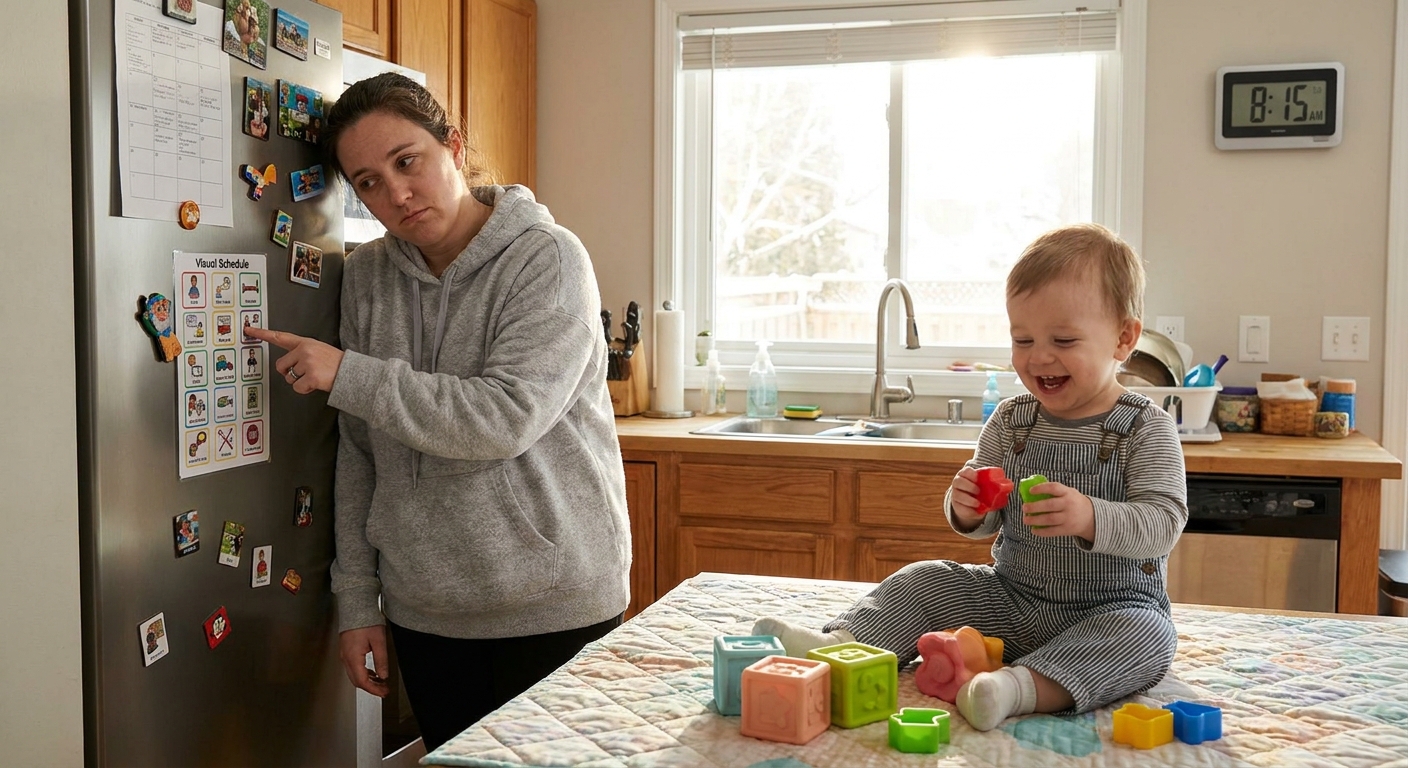
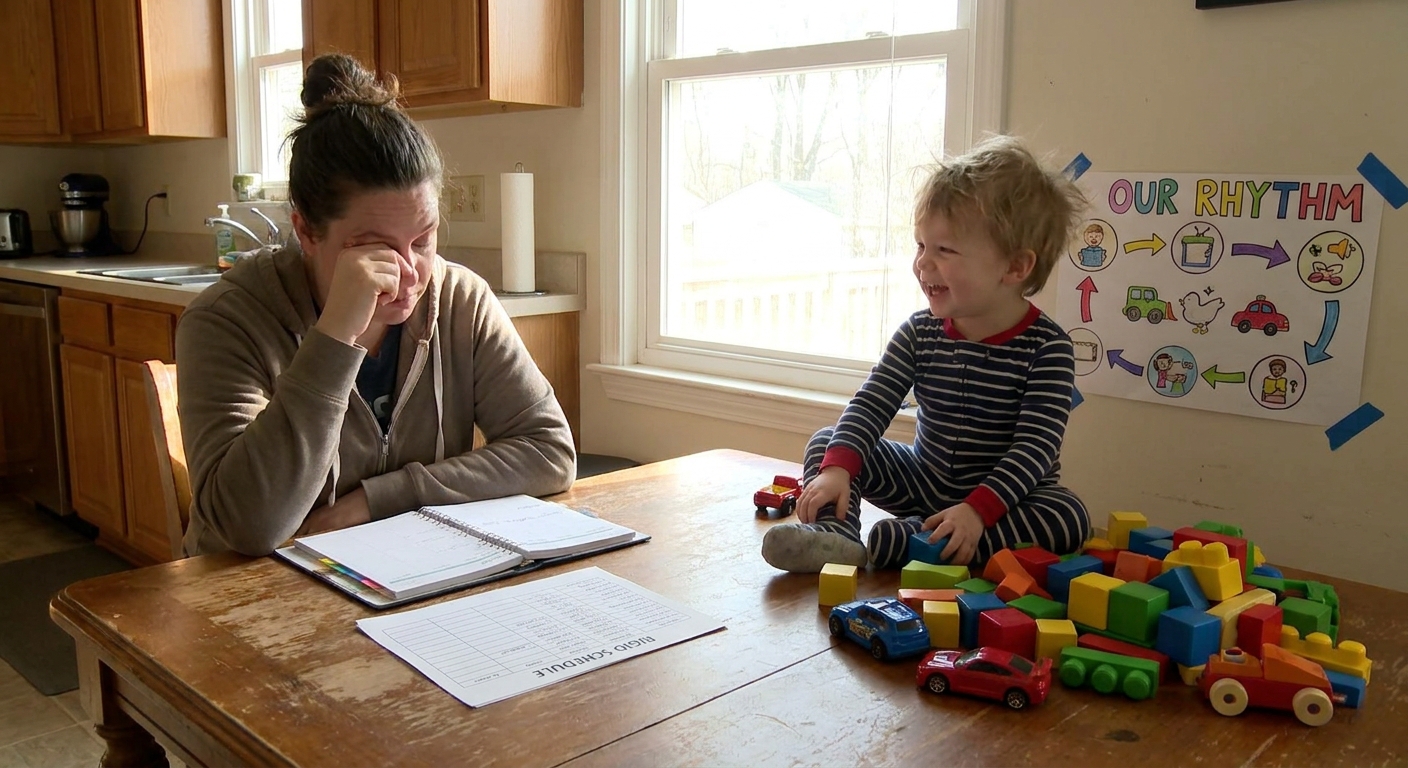
You don’t need a minute-by-minute schedule. Toddlers thrive on predictable rhythms more than rigid routines.
Build Gentle Daily Anchors
Pick a few moments in the day that mostly stay the same:
- Morning anchor: Breakfast together + change diaper/get dressed
- Midday anchor: Lunch + nap or quiet time
- Evening anchor: Dinner + bath + stories
Real-world example:
“We don’t keep a strict schedule, but my 2-year-old knows that after lunch we read two books and then she goes in her crib. She still protests sometimes, but the predictability has made naps less of a battle.”
Use Simple Narration
Talk your toddler through what’s happening and what’s coming next:
“First we’ll change your diaper, then we’ll go outside and blow bubbles.”
This kind of narration:
- Lowers anxiety (they know what’s next)
- Builds language skills
Handling Meltdowns Without Losing Yourself
Toddler meltdowns are normal. You’re not spoiling your child by comforting them, and you’re not a bad parent if you feel frustrated.
Step 1: Safety First
Quickly scan:
- Are they in a safe place?
- Do you need to move them away from a sibling, stairs, or sharp objects?
If it’s safe, it’s okay to let the feelings happen.
Step 2: Stay Centered (As Best You Can)
You don’t have to be perfectly calm—just calmer than your toddler.
Try:
- One deep breath before you respond
- Saying quietly to yourself: “Big feelings, small person. I can handle this.”
Step 3: Connect Before You Correct
Instead of jumping into logic (“We don’t hit!”) in the height of the meltdown, try:
“You really wanted the blue cup. You’re so upset.”
This doesn’t mean you’re giving in—it means you’re helping your child feel seen, which actually makes them more open to guidance later.
Step 4: Hold the Limit Calmly
You can be kind and firm:
“You’re mad I said no more cookies. It’s okay to be mad. No more cookies.”
Consistent, calm limits help toddlers feel safe and learn what to expect.
Tiny Tweaks That Make Everyday Tasks Easier
Getting Dressed
Try:
- Offering small choices: “Red shirt or yellow shirt?”
- Playing a silly game: “Can you find where your toes go in these pants?”
Real-world example:
A parent started laying out two outfits each night and letting her 2-year-old choose. Morning battles dropped dramatically, simply because her child felt involved.
Diaper Changes and Bathroom Breaks
- Give a heads-up: “Two more minutes, then diaper change.”
- Offer a comfort item: a special diaper-time toy or book
- Narrate: “I’m going to wipe now; it might feel cold.”
Mealtimes
- Keep portions small and low-pressure
- Avoid power struggles about “one more bite”
- Serve one or two safe foods alongside new ones
Expert-backed tip: Research on picky eating suggests repeated, gentle exposure works better than pressure. Let your toddler see and touch new foods, even if they don’t eat them yet.
Play: The Work of Toddlerhood
Play isn’t extra—it’s how toddlers learn everything:
- Language
- Problem-solving
- Social skills
- Emotional regulation
Simple, Brain-Building Play Ideas
You don’t need fancy toys. Try:
- Everyday objects: Pots and wooden spoons, plastic containers with lids
- Water play: A bin of water, measuring cups, and a towel on the floor
- Books: Short, simple stories; let them turn pages, point to pictures
- Movement games: “Jump like a frog,” “Tiptoe like a mouse”
Just 10–15 minutes of truly present play (phone away, eye contact, following their lead) can fill your toddler’s emotional cup.
Taking Care of You, Too
You matter as much as your toddler does.
Redefine “Good Parenting”
Good parenting isn’t:
- Never raising your voice
- Doing perfect crafts
- Loving every second
- Showing up most days with warmth
- Repairing when things get tense (“I’m sorry I yelled. I was feeling overwhelmed.”)
- Keeping your child safe and mostly predictable
Good parenting is:
Micro-Moments of Self-Care
On many days, long bubble baths aren’t realistic. Look for tiny resets:
- A hot drink you actually finish
- Three deep breaths before walking into the nursery
- Texting a friend: “Today was hard. Tell me something silly your kid did.”
Even two minutes, repeated through the day, can help your nervous system reset.
When to Reach Out for Extra Support
Trust your gut. Consider talking to your pediatrician or a child development professional if you notice:
- No babbling or gestures (like pointing or waving) by 12 months
- No words by 16 months
- Loss of skills they previously had
- Very limited eye contact or response to their name
Needing help is not a failure; it’s care.
A Final Word of Reassurance
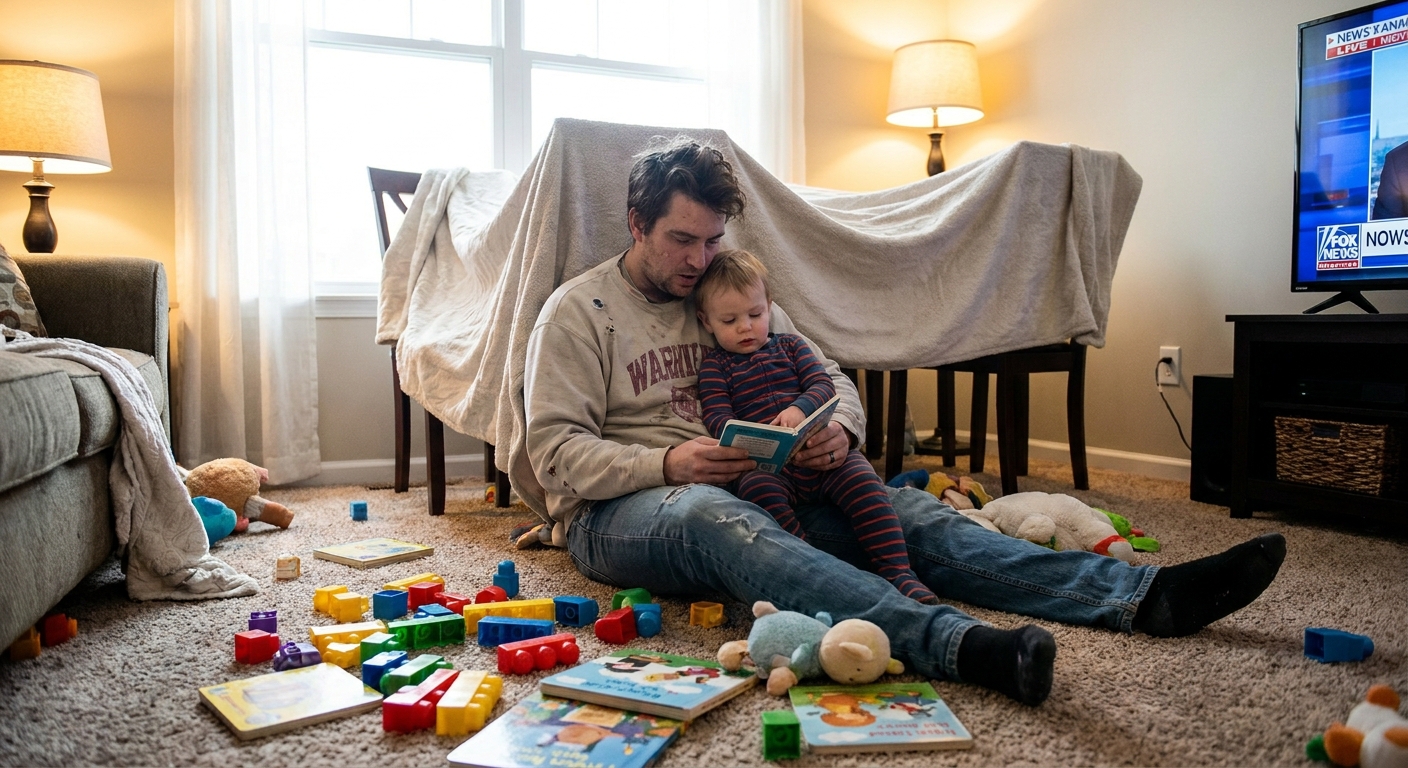
If toddler life feels like too much some days, that’s because it is a lot. You’re doing the hard work of guiding a brand-new person through big feelings, big milestones, and big changes.
You won’t always get it right. You don’t need to.
What your toddler needs most is a mostly consistent, mostly kind, deeply human you—the one who keeps showing up, even when the day ends in leftover crumbs and one more load of laundry.
And you are already doing that.