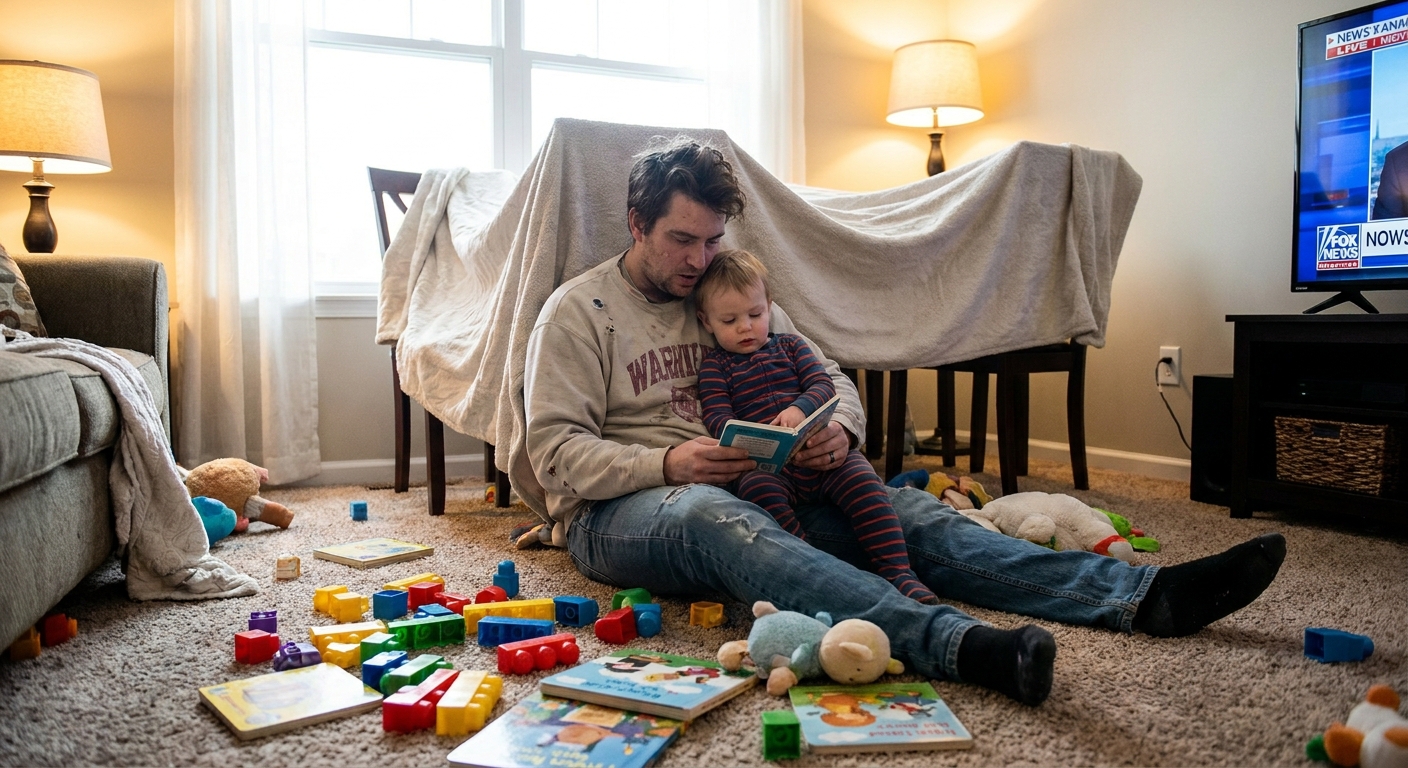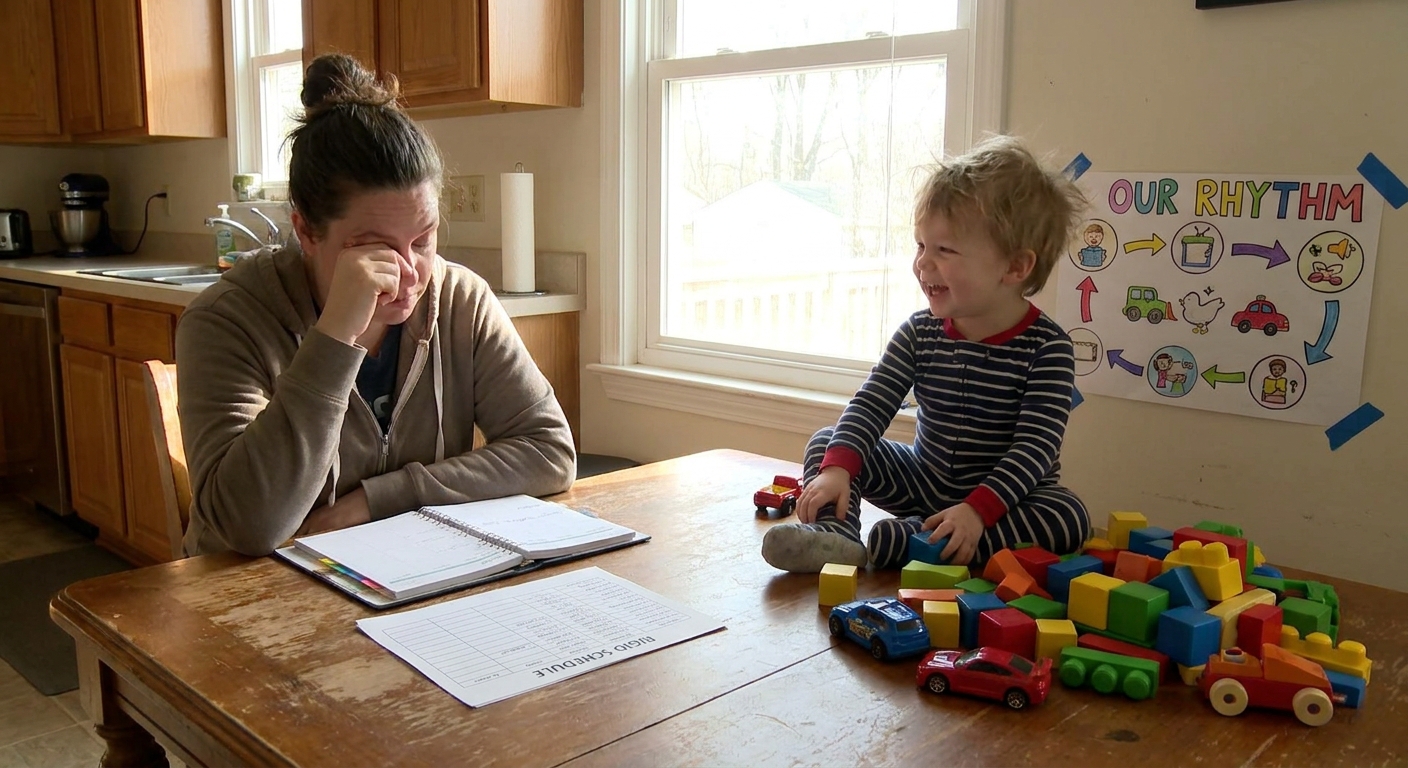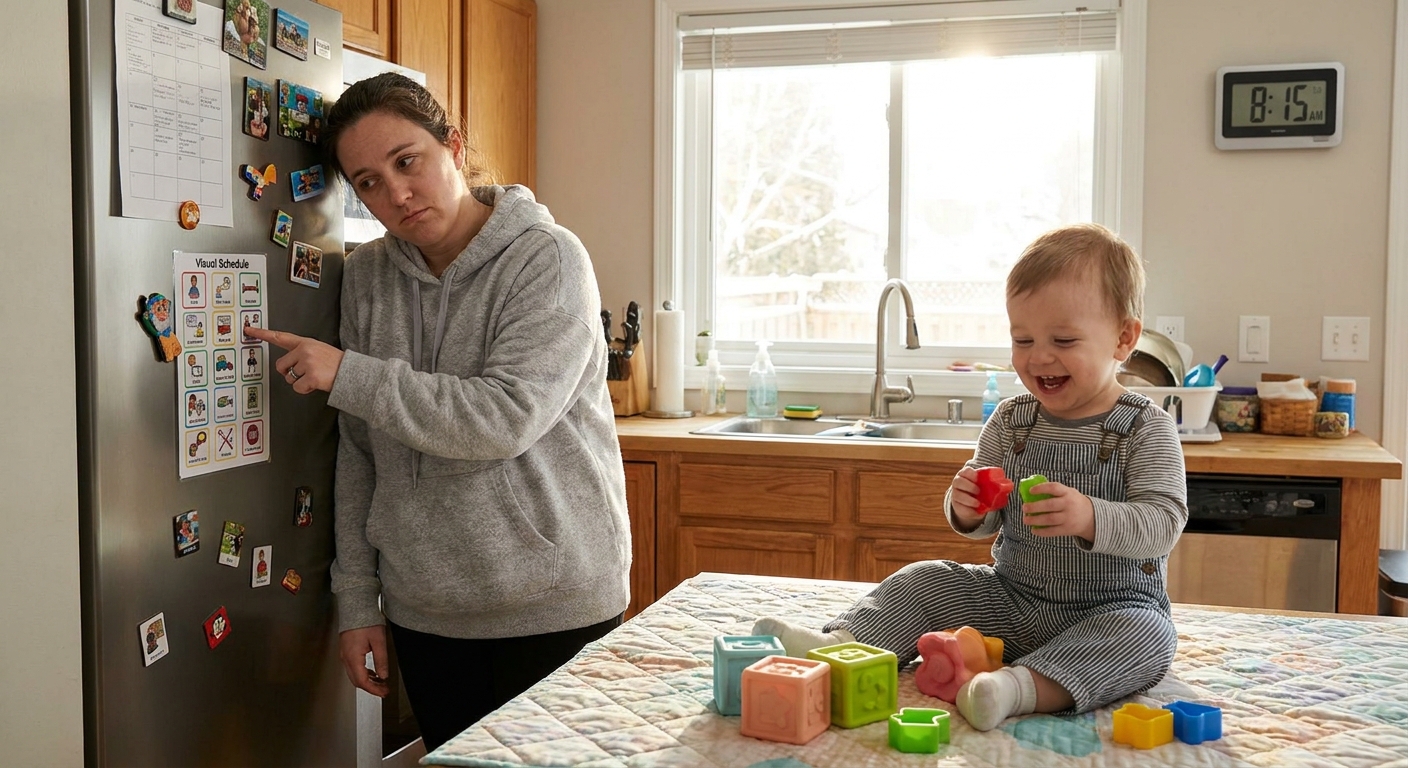
There’s no single “right way” to parent a toddler. What most families really need is a toolkit—a handful of practical strategies to reach for in the most common tricky moments.
Why You Need a Toddler Toolkit (Not a Perfect Plan)
Here are 15 tried-and-true tools you can mix, match, and adapt for your 1–3-year-old, with real-world examples and gentle guidance.
1. The Two-Minute Warning
Toddlers struggle with transitions. A simple heads-up can lower resistance.
Use it for:
- Leaving the playground
- Turning off the TV
- Getting in the bath
Say:
“Two more minutes, then we’re going home.”
Real-world twist: Some parents use a visual timer or a simple countdown: “10 more pushes on the swing!”
2. The Power of Choices
Choice = control, and toddlers crave that.
Offer two options you can live with:
- “Blue cup or green cup?”
- “Walk to the car or hop like a bunny?”
Avoid open-ended choices like “What do you want to wear?”—that’s often overwhelming.
3. The When–Then Sentence
This simple phrase can make cooperation feel more predictable:
“When we put on your shoes, then we can go outside.”
It focuses on what will happen, not on a threat or punishment.
4. Describe, Don’t Just Direct
Instead of constant commands (“Stop that! Don’t do that!”), try narrating what you see.
- “Water is spilling out of the tub.”
- “Crayons are going on the wall.”
- “Water stays in the tub.”
- “Crayons are for paper. Let’s color here.”
Then guide:
This feels less confrontational and more like teamwork.
5. The Yes Touch
You’re going to say “no” a lot. Balance it with some “yes” moments.
If your toddler reaches for your phone, you might say:
- “No phone. But YES, you can push the buttons on this toy.”
You’re still holding the limit, just offering an acceptable alternative.
6. Play It Out
Play is a powerful way to move through resistance.
Examples:
- Getting dressed: “Oh no! The shirt is running away—can you catch it with your arms?”
- Brushing teeth: “Let’s see if we can find the sugar bugs!”
You’re not bribing; you’re meeting your toddler in the language they naturally speak: play.
7. The Five-Second Snuggle
Physical connection can prevent a lot of friction.
Before transitions, try:
- A quick hug
- A kiss and a silly nose bump
Say:
“One big hug, then shoes on!”
This small moment can refill their emotional tank so they have more to give.
8. The “Special Job” Trick
Toddlers love to feel useful.
Turn tasks into jobs:
- “Can you be my shoe helper and find your sneakers?”
- “You’re in charge of putting all the spoons on the table.”
Real-world example: A parent started saying, “You’re my light switch captain!” and her toddler proudly turned off the lights every bedtime.
9. The Environment Reset
Sometimes it’s easier to change the environment than the behavior.
Instead of constantly saying “no” to:
- Climbing on tables → add a safe climbing space or cushion pile
- Throwing hard toys → create a throwing basket with soft balls
Toddlers explore with their bodies. Giving them acceptable outlets saves everyone energy.
10. The Snack Safety Net
Many “behavior problems” are really hunger problems.
Keep simple, familiar snacks handy:
- Banana slices
- Cheese sticks
- Crackers and hummus
Offer them before the usual meltdown times (late afternoon is a big one).
11. The Whisper Switch
When the volume in the house rises, try lowering yours.
Instead of shouting over chaos, switch to a quiet whisper:
“I have something to tell you…”
Toddlers often quiet down to hear you, and the shift in tone signals that something different is happening.
12. The Ten-Second Repair
You will lose your patience sometimes. Repair is a tool too.
After everyone cools down, say:
“I got really mad and yelled. That was scary. I’m sorry. I love you, even when we’re upset.”
This teaches them:
- Conflict is normal
- Relationships can recover
13. The Daily Connection Ritual
Choose one tiny daily ritual that belongs just to you and your toddler:
Ideas:
- A silly song you always sing during diaper changes
- A secret handshake before bed
- A morning “window check” to look for birds or cars
These regular, predictable moments help your child feel grounded.
14. The “Less Is More” Toy Strategy
Too many toys = overwhelmed toddler.
Try:
- Rotating toys: keep some in a bin and swap weekly
- Creating simple “invitations to play”: a few blocks on a tray, two dolls and a blanket on the floor
Fewer, visible options often result in longer, more focused play.
15. The Parent Pause
The most powerful tool is often the one you use on yourself.
When things escalate:
- Stop talking for a moment.
- Take one slow breath.
Ask: “What matters most right now—safety, connection, or a limit?”
You might decide:
- Safety: move your toddler away from danger
- Connection: offer a hug or kind word
- Limit: calmly restate your boundary
This tiny pause shifts you from reacting to responding.
Putting Your Toolkit to Use
You don’t need to use all 15 tools every day. Start with two or three that resonate, and try them in your trickiest moments:
- Bedtime battles → Two-minute warning + special job (“Pillow helper”) + five-second snuggle
- Leaving the park → When–then sentence + two-minute warning + parent pause if protests start
Some days, nothing will seem to work. That doesn’t mean you’re failing—it means you and your toddler are human.
Over time, using these tools consistently teaches your child:
- What to expect
- That you are on their team
- That big feelings can be handled
You’re not aiming for perfect days. You’re building a shared language and rhythm that makes most days a bit easier—and that’s more than enough.