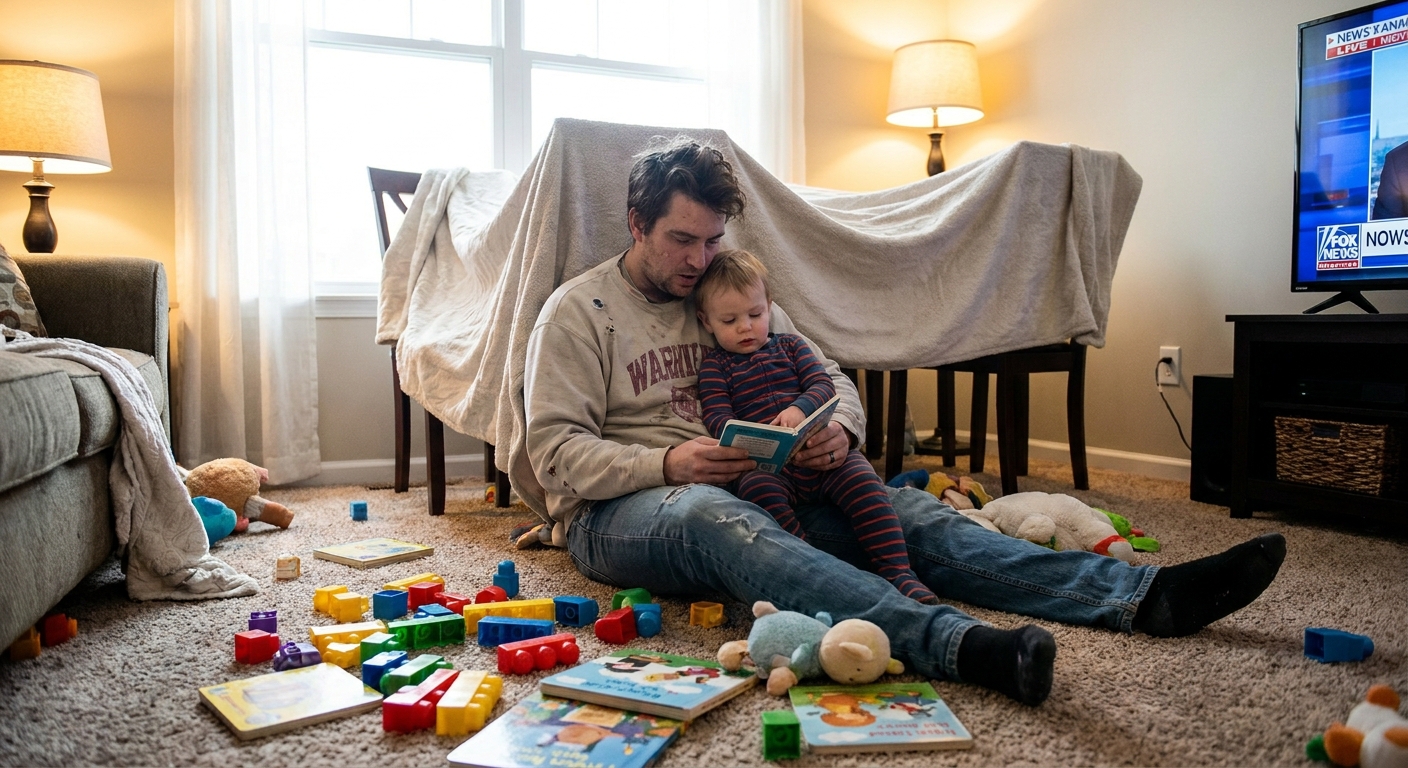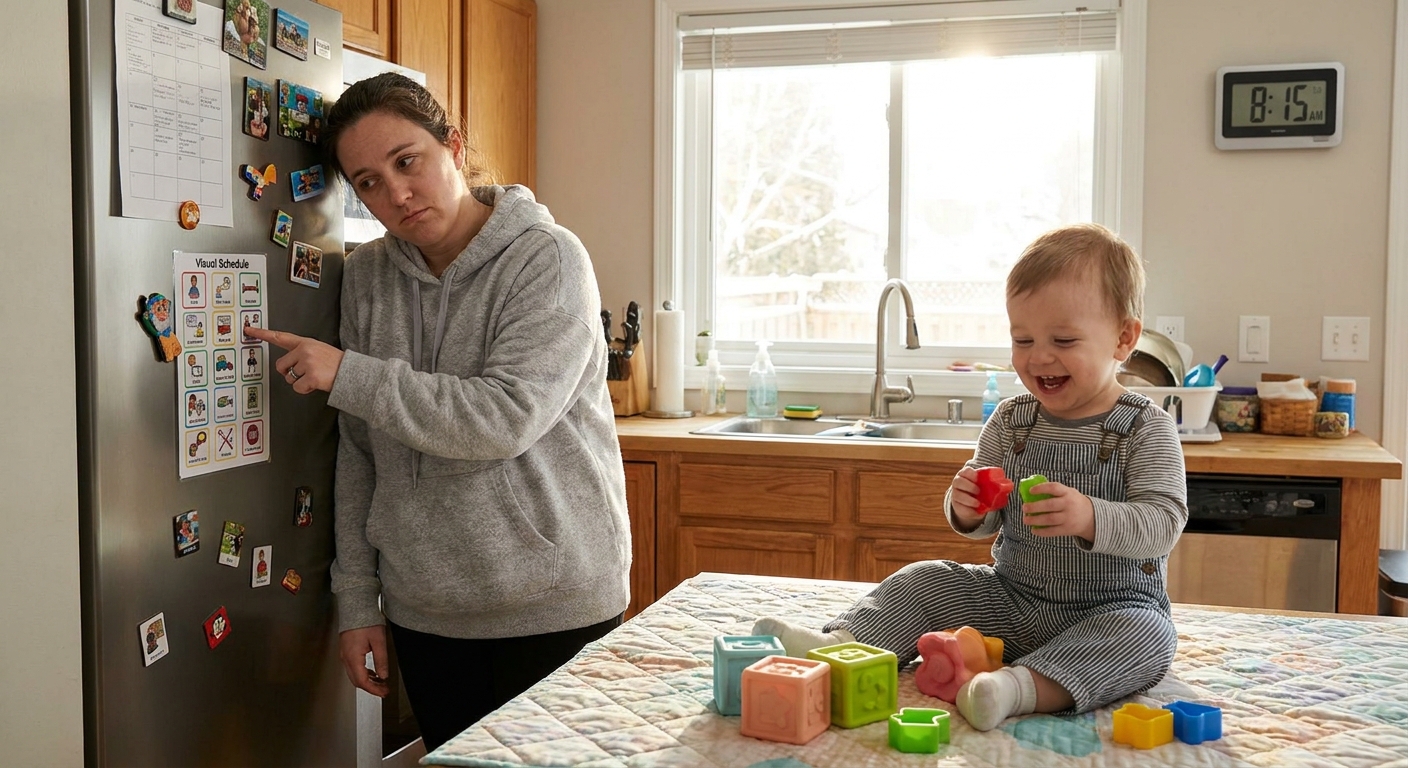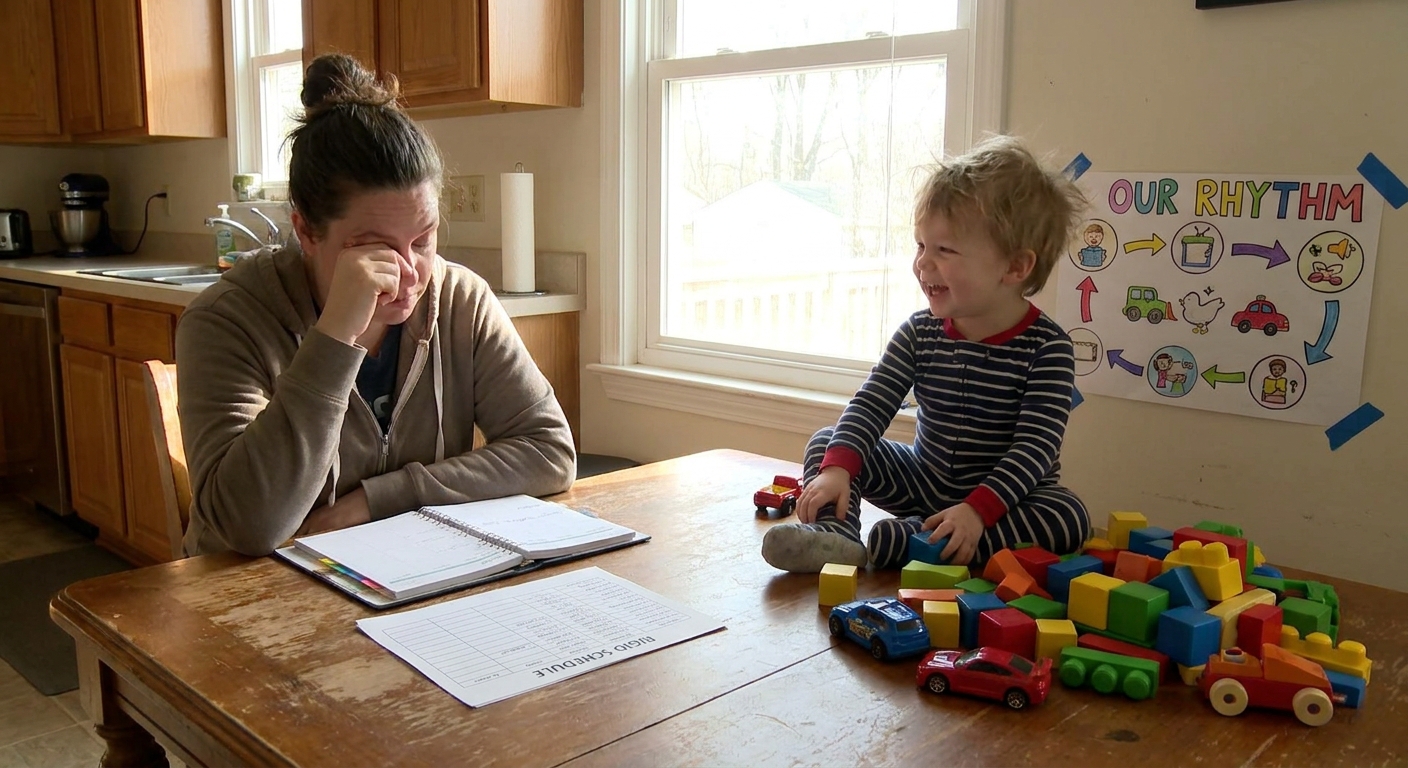
If your toddler moves from giggles to tears in ten seconds flat, you’re not alone. Emotional swings are a completely normal part of toddlerhood.
Why Your Toddler’s Emotions Feel So Intense
Ages 1–3 are when children are:
- Discovering they are separate people
- Feeling huge waves of frustration, excitement, jealousy, and fear
- Lacking the language and brain wiring to manage those feelings calmly
This guide will help you understand what’s happening under the surface and offer practical, age-appropriate ways to respond.
The Science in Simple Terms
Most toddlers:
- Have a very active emotion center (the amygdala)
- Have an underdeveloped control center (the prefrontal cortex)
That means they feel everything strongly but can’t yet calm themselves down without help.
Experts call this co-regulation—your calm presence helps teach their body and brain how to return to a settled state.
Common Emotional Stages from 1–3 Years
Every child is unique, but these patterns are common:
Around 12–18 Months
You might notice:
- Separation anxiety at drop-offs
- Clinginess with one primary caregiver
- Tears when routines shift
- Use short, warm goodbyes
- Offer a comfort item (blanket, soft toy)
- Narrate: “You’re sad I’m leaving. I’ll come back after snack time.”
How to support:
Around 18–24 Months
You may see:
- First “NO!” phase
- Frustration when things don’t work right
- Throwing, hitting, or biting when overwhelmed
- Label feelings: “You’re mad it fell down.”
- Offer a do-over: “Hands are not for hitting. Let’s try gentle hands.”
- Keep language simple and calm
How to support:
Around 2–3 Years
Typical shifts:
- More words, but still emotional storms
- Strong opinions about clothes, food, and routines
- Emerging empathy (“Baby crying!”)
- Use simple choices: “Blue cup or green cup?”
- Validate and hold limits: “You wanted more screen time. It’s okay to be upset. Screen time is finished.”
How to support:
The Calm-Down Pyramid: A Step-by-Step Response
Think of your toddler’s emotional needs like a pyramid—meet the base needs first.
1. Body First
Ask yourself:
- Are they hungry?
- Overtired?
- Overstimulated (too noisy, crowded, bright)?
Sometimes a meltdown is your toddler’s nervous system saying, “Too much.”
Real-world trick: Many parents keep an emergency snack and water bottle handy for “parking lot meltdowns” or late-afternoon crashes.
2. Safety and Comfort
Make sure they feel physically safe:
- Get down to their level
- Soften your voice
- If they allow it, offer a hug or gentle touch
If they don’t want touch, you can say:
“I’m going to sit right here while you’re mad. I’m staying with you.”
3. Name the Feeling
Research shows that naming feelings can soften their intensity.
Try:
- “You’re angry.”
- “You’re disappointed.”
- “You’re scared.”
For younger toddlers, keep it very simple: “So mad.” “So sad.”
4. Hold the Limit
Being empathetic doesn’t mean giving in.
- “You’re mad I turned off the TV. TV is done.”
- “You’re upset we have to leave the park. It’s time to go home.”
Warmth + clear boundary = emotional safety.
Building a Toddler-Friendly Feelings Vocabulary
You can start teaching feelings words long before your toddler uses them.
Everyday Moments
Use simple narration:
- “You look excited!”
- “You’re frustrated with that block tower.”
- “You’re proud of your drawing.”
- “The baby is crying. The baby is sad.”
- “That kid looks happy to see the bubbles.”
Point out feelings in others:
Use Books and Play
- Choose picture books with expressive faces
- Pause and ask: “How does she feel?” then answer yourself if your child can’t yet
- Act out emotions with stuffed animals: “Bear is mad! Stamp, stamp, stamp!”
Handling Hitting, Biting, and Throwing
These behaviors can feel alarming, but they’re often just immature communication.
Stay Calm and Clear
- Block the behavior: Gently hold their hand or move the object.
- State the limit: “No hitting. Hitting hurts.”
Offer an alternative:
- “You can hit this pillow.” - “You can stomp your feet.”
Avoid long lectures; toddlers can’t take in lots of words in a heated moment.
Preventive Strategies
- Notice patterns: Is biting more common when they’re tired? Around certain kids?
- Teach simple phrases: “My turn.” “No.” “Stop.” (Practice them in calm moments.)
Creating a Calm Corner (Even in a Small Space)
A "calm corner" gives your toddler a cozy spot to reset, not a punishment zone.
Include:
- A soft blanket or pillow
- A favorite stuffed animal
- Board books
- A small sensory item (like a soft ball or textured fabric)
You might say:
“You’re having big feelings. Let’s go to the cozy corner together.”
Over time, some toddlers start going there on their own when they’re overwhelmed.
When Your Own Emotions Boil Over
You’re human, too.
If You Lose Your Cool
- Pause when you can do so safely.
- Take a few deep breaths or step into another room briefly.
When you’re ready, reconnect:
- “I yelled before. That was scary. I’m sorry. I’m going to try using a calmer voice.”
This models something powerful: Everyone has big feelings, and we can repair.
Red Flags vs. Normal Toddler Emotions
Every child has their own temperament—some are naturally more intense.
Consider seeking guidance from your pediatrician or a child mental health specialist if:
- Your toddler never seeks comfort from you when upset
- They seem almost always irritable or distant
- You see sudden, dramatic changes in mood or behavior
Most of the time, though, big feelings are simply part of this age—and they ease as language and self-control grow.
You’re Teaching Emotional Skills Without Even Realizing It
Every time you:
- Name a feeling
- Stay with your child through a meltdown
- Set a firm but kind limit
- Apologize after you snap
…you’re teaching your toddler that feelings are okay and relationships can handle stress.
You don’t need to be perfectly patient. You just need to keep coming back to connection.
You’re not raising a perfectly calm child—you’re helping a real, feeling human learn that their emotions are welcome and manageable. And that’s a gift they’ll carry for life.