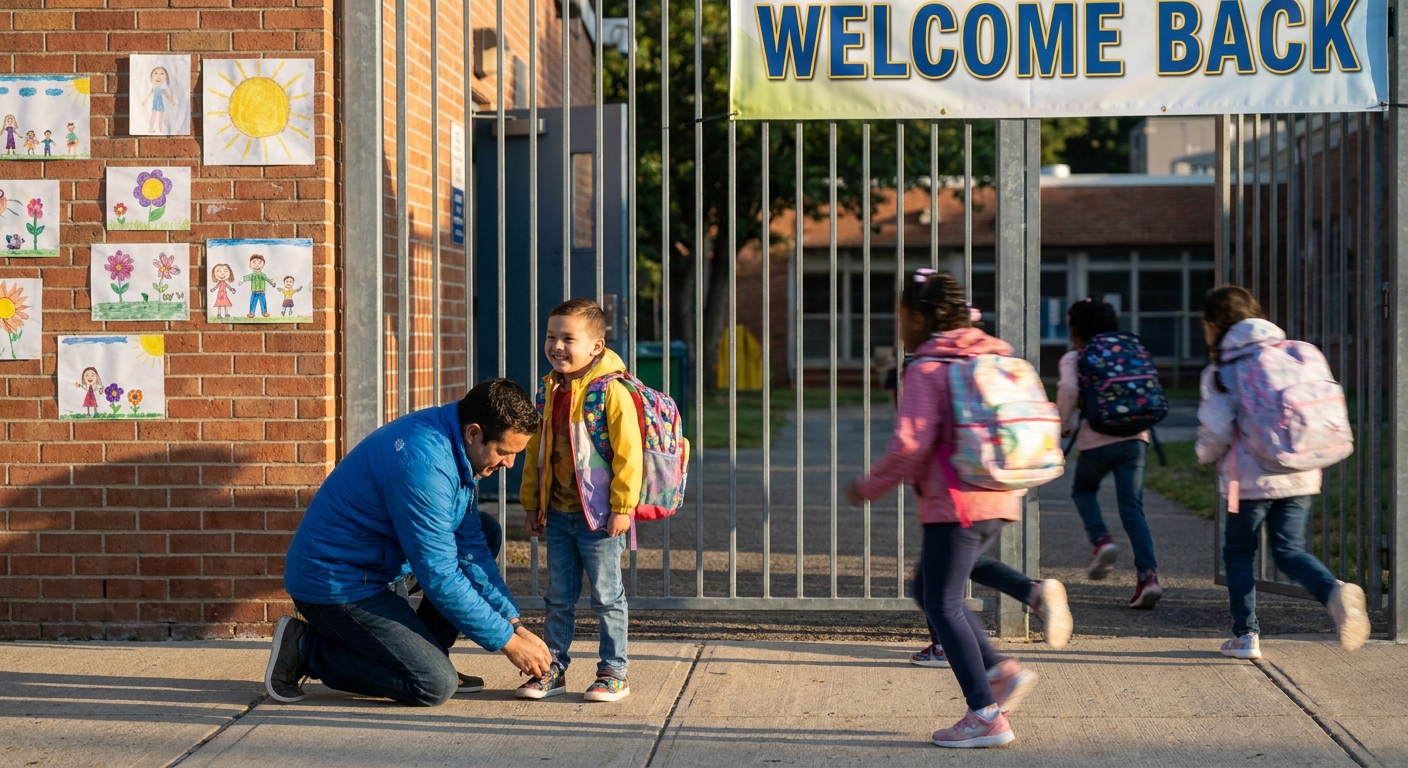
The early school years can feel like a huge leap: new teachers, new rules, new friends, and suddenly a backpack that looks almost as big as your child. If you’re wondering, “Is this normal?” about 20 times a day, you’re not alone.
Welcome to the Big Kid Chapter
This age (roughly 5–8) is full of growth spurts—physical, emotional, social, and academic. Think of it as the training ground for independence. Your job isn’t to make everything perfect, but to be a steady, warm base your child can return to.
What “Normal” Looks Like in the Early School Years
Every child develops at their own pace, but there are some common themes for this stage:
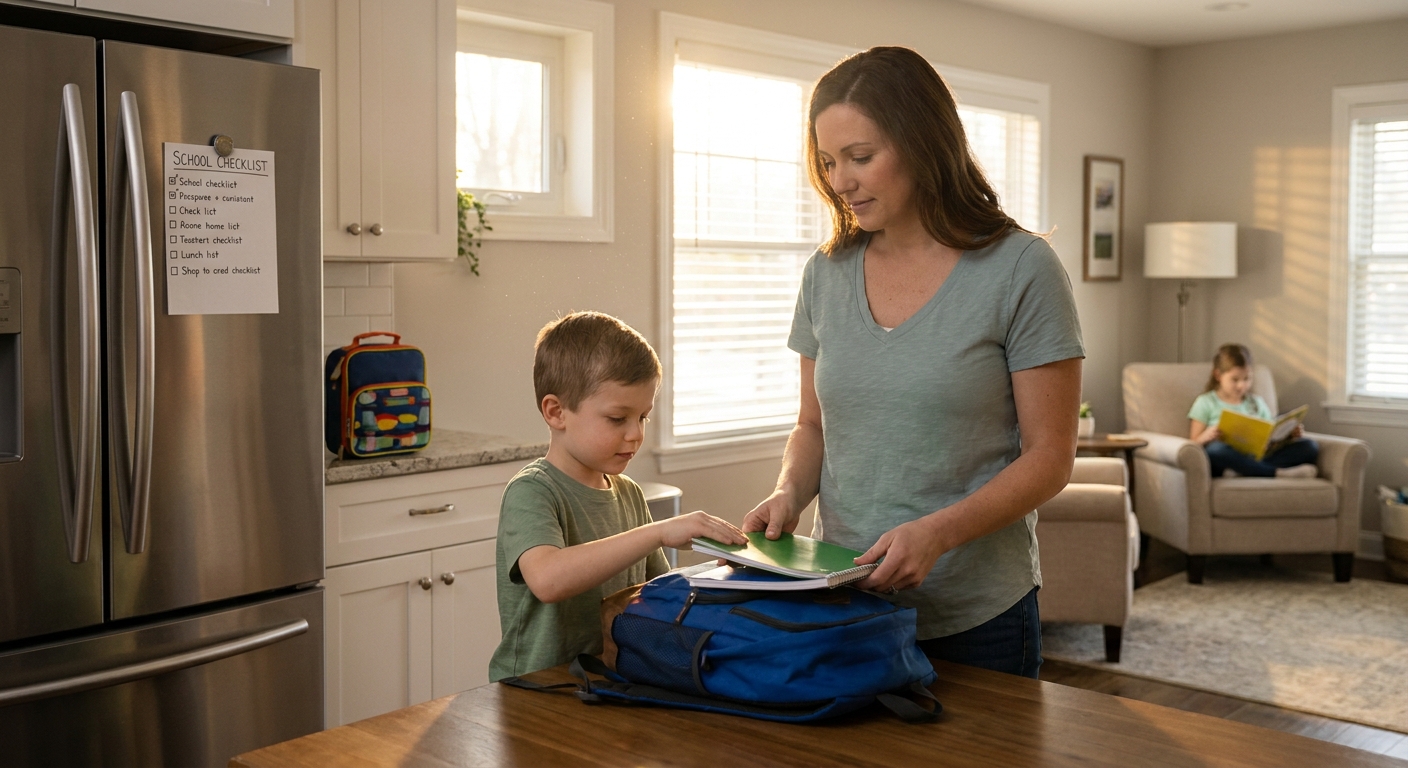
- Growing independence – Wanting to do things alone (dressing, pouring milk, packing their bag) but still needing you nearby.
- Bigger feelings – Meltdowns may be less frequent but can be more intense after a long school day.
- Friendship focus – Friends become extremely important, and social conflicts can suddenly feel like world-ending events.
- Skill building – Learning to read, write, add, and subtract while also learning how to wait turns, share, and follow directions.
If your child doesn’t tick every box on the “typical development” lists you see online, it doesn’t automatically mean something is wrong. Look for overall patterns, not one-off moments.
After-School Meltdowns: Why They Happen (and What Helps)
Many parents are surprised when a teacher says, “They had a great day!” while their child falls apart at home.
This is called after-school restraint collapse—kids work hard to keep it together all day and then let their guard down where they feel safest: with you.
What helps:
Soft landings after school
Instead of immediately asking about their day, try: - A hug and: “I’m so glad to see you.” - A snack and quiet time before questions.
Simple check-in questions
Swap “How was your day?” for: - “What made you smile today?” - “What was the trickiest part of your day?”
Predictable routines
A basic after-school rhythm could be: - Snack + quiet time - Homework or reading - Playtime - Dinner and bedtime routine
Consistency helps kids feel safe when everything else feels big and new.
Building Healthy Homework Habits (Without Power Struggles)
In the early school years, homework is mostly about building routines, not producing perfect work.
Try this approach:
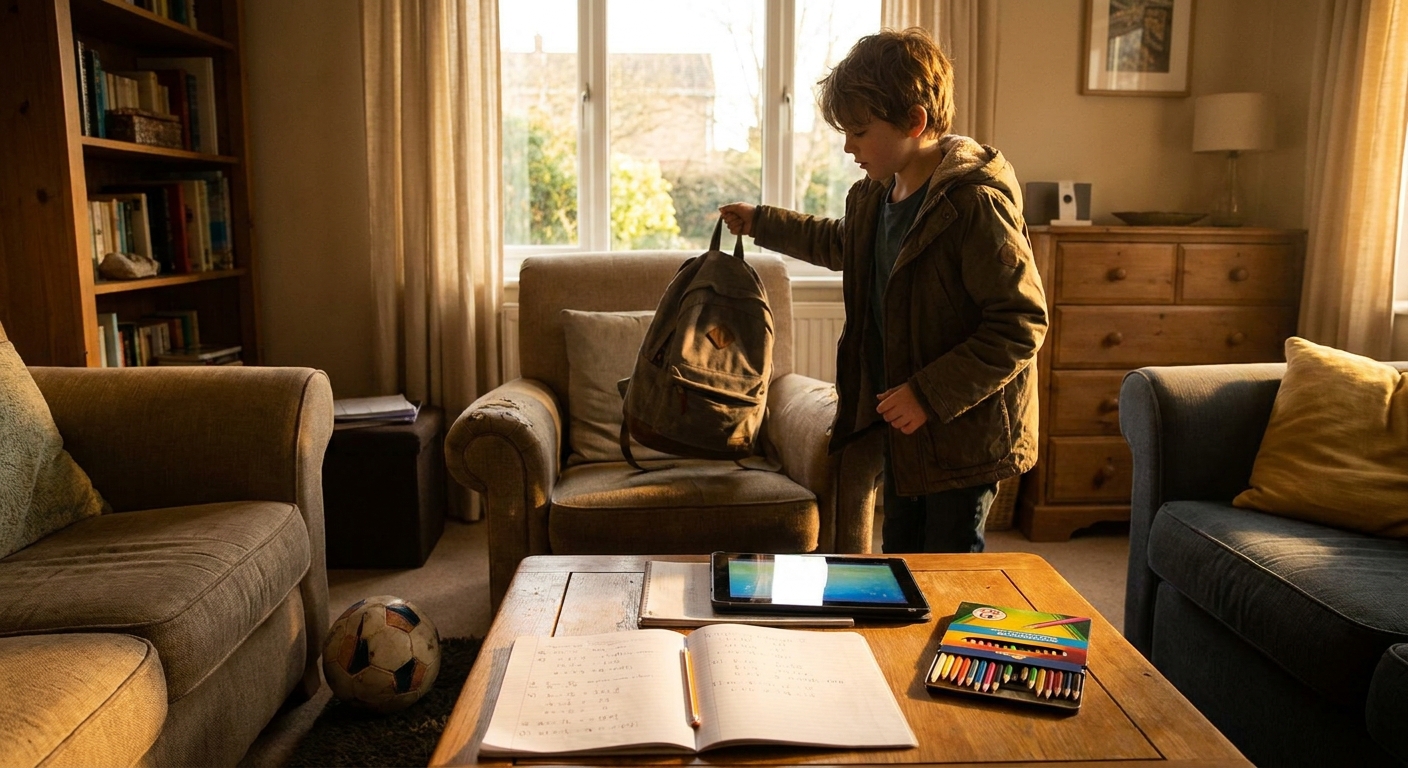
- Create a “homework home” – A simple spot with pencils, erasers, crayons, and paper. It doesn’t need to be fancy—just predictable.
- Use a short-and-sweet timer – For early grades, 10–20 minutes of focused time is plenty. If they’re exhausted, ask the teacher if it’s okay to split homework over days.
- Be a calm coach, not the boss – Sit nearby, but don’t hover over every letter. Offer support: “You try the first one, I’ll help with the next.”
If homework is regularly ending in tears, that’s useful information for the teacher. You’re not “complaining”—you’re teaming up.
Growing Social Skills and Handling Friendship Drama
Friendships during these years can be delightfully sweet and sometimes painfully dramatic.
You might hear:
- “No one played with me.”
- “They said I can’t sit with them.”
- “We’re not friends anymore.” (followed by, “We’re best friends again!” the next day)
What You Can Do
Listen first, fix later
Try: “That sounds like it really hurt your feelings. Tell me what happened.” Kids need to feel heard before they can hear suggestions.
Teach simple scripts
Give them words they can use: - “Can I play with you?” - “I don’t like that. Please stop.” - “I’m going to play over there now.”
Normalize ups and downs
You might say: “Friendships at your age can be a little bumpy. It doesn’t mean something is wrong with you—or them. You’re all still learning.”
Practice kindness at home
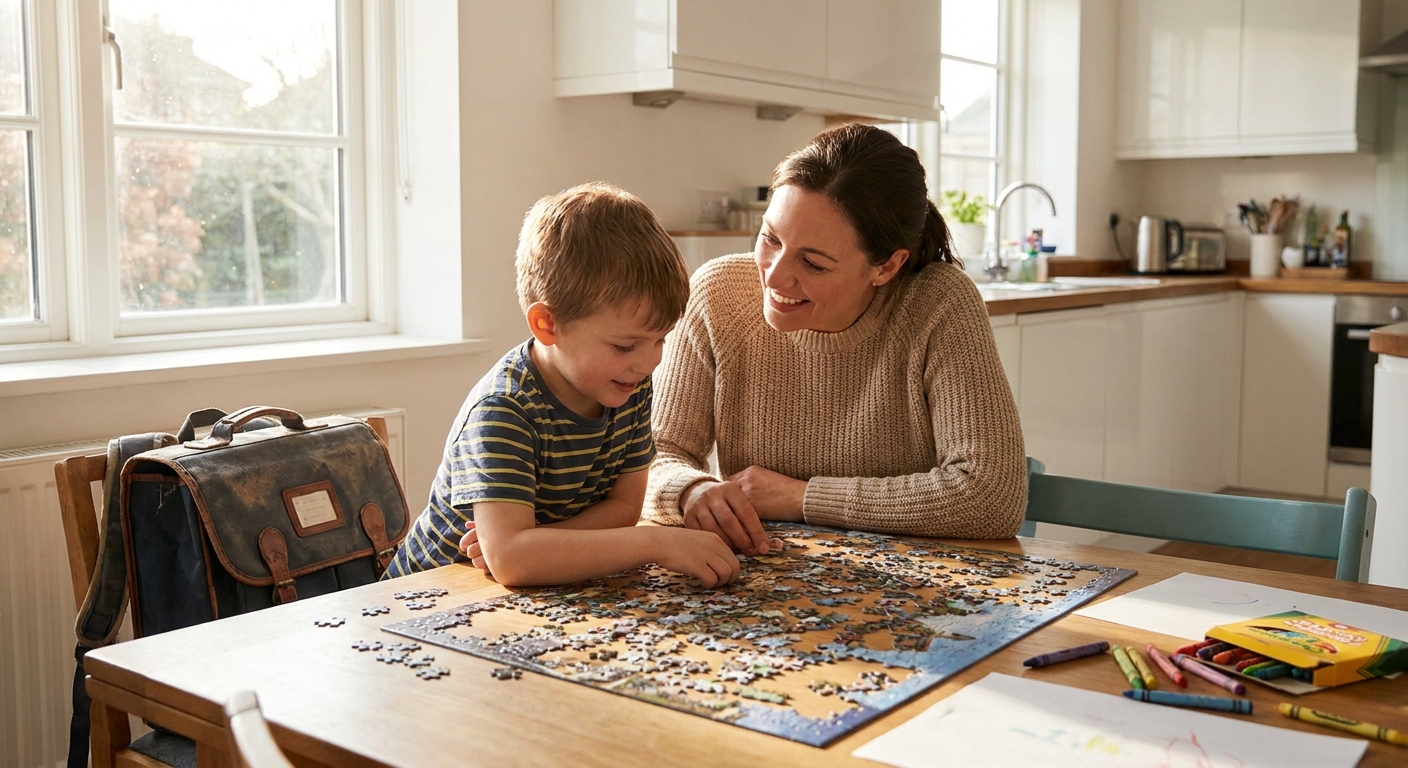
Board games, taking turns choosing shows, or sharing toys with siblings are daily opportunities to practice.
Supporting Learning Without Pressure
It’s easy to feel anxious when you hear what other kids are reading or doing in math. Remember: children learn in ranges, not on a straight line.
Reading
- Read to your child, with your child, and near your child.
- Let them choose some of their own books—even if it’s the same dinosaur book ten nights in a row.
- If reading is hard, focus on keeping it positive and cozy: blankets, snuggles, silly voices.
Math
You don’t need fancy worksheets to build early math skills:
- Count steps as you climb them.
- Cut pizza or sandwiches and talk about halves and quarters.
- Play simple board games with dice—that’s math, too.
When you stay relaxed about learning, your child can relax into it as well.
Big Feelings and Growing Self-Control
Between 5 and 8, kids are still learning how to manage emotions, not just feel them.
You may see:
- Door slamming or shouting.
- “I hate you!” or “You’re the worst!” when they’re overwhelmed.
- Tears over small things after a tiring day.
You can hold boundaries and still stay loving.
Example response:
“I won’t let you talk to me like that. I can see you’re really mad. When you’re ready, I’m here to help.”
You’re not rewarding the behavior—you’re modeling calm.
When to Wonder About Extra Support
Trust your instincts. You know your child best. Consider talking to a pediatrician or teacher if you notice patterns like:
- Extreme difficulty sitting or focusing compared to classmates.
- Very delayed speech, reading, or motor skills.
- Intense, daily behavior that disrupts home or school life.
Asking for help doesn’t mean you’ve failed; it means you’re paying attention.
You’re the Safe Place They Come Home To
In the rush of lunches, permission slips, and lost shoes, it’s easy to forget: the most important thing you offer isn’t perfect lunches or color-coded calendars. It’s a secure, loving relationship.
If you:
- Listen more than you lecture (most days),
- Offer hugs, even after hard moments,
- Show up, imperfect but trying,
…then you are exactly the parent your school-age child needs.
Big kid doesn’t mean they’ve outgrown you. They need you just as much—just in new ways. And you’re allowed to learn as you go.