When we think of a “confident kid,” we might imagine the child who raises their hand first, makes friends easily, and joins every club. But real, healthy confidence in the school years (roughly ages 6–11) is quieter and deeper than that.
Confidence in the School Years: What It Really Looks Like
Real confidence is:
- Willingness to try, even when something is hard.
- Belief that mistakes are uncomfortable but survivable.
- Trust that the adults in their life will support, not shame, when they stumble.
Your child doesn’t have to be the loudest, most outgoing kid to be confident. Confidence can look like quietly trying again after a disappointment, or whispering, “Can you help me?”
The Confidence Equation: Safety + Practice + Encouragement
Kids build confidence over time through a simple pattern:
- They feel safe with you.
- They practice new skills a little at a time.
- They receive encouragement focused on effort, not perfection.
Let’s break down what that looks like in normal, chaotic family life.
1. Creating Emotional Safety: “I’m On Your Team, No Matter What”
When kids know they are loved even when they mess up, they’re more willing to take risks and learn.
Practical ways to build safety:
- Stay curious, not furious.
Instead of: “Why would you do that?!”
Try: “Walk me through what happened.”
- Separate the child from the behavior.
Replace: “You’re so careless.”
With: “That was a careless choice. Let’s think of a different way next time.”
- Offer steady presence after mistakes.
Your child bombs a spelling test or misses the goal? Try a calm, “That stings. Want a hug?” before you talk about what to learn from it.
When kids don’t fear your disappointment, they can actually hear your guidance.
2. Letting Them Do Hard Things (Even If It’s Messy)
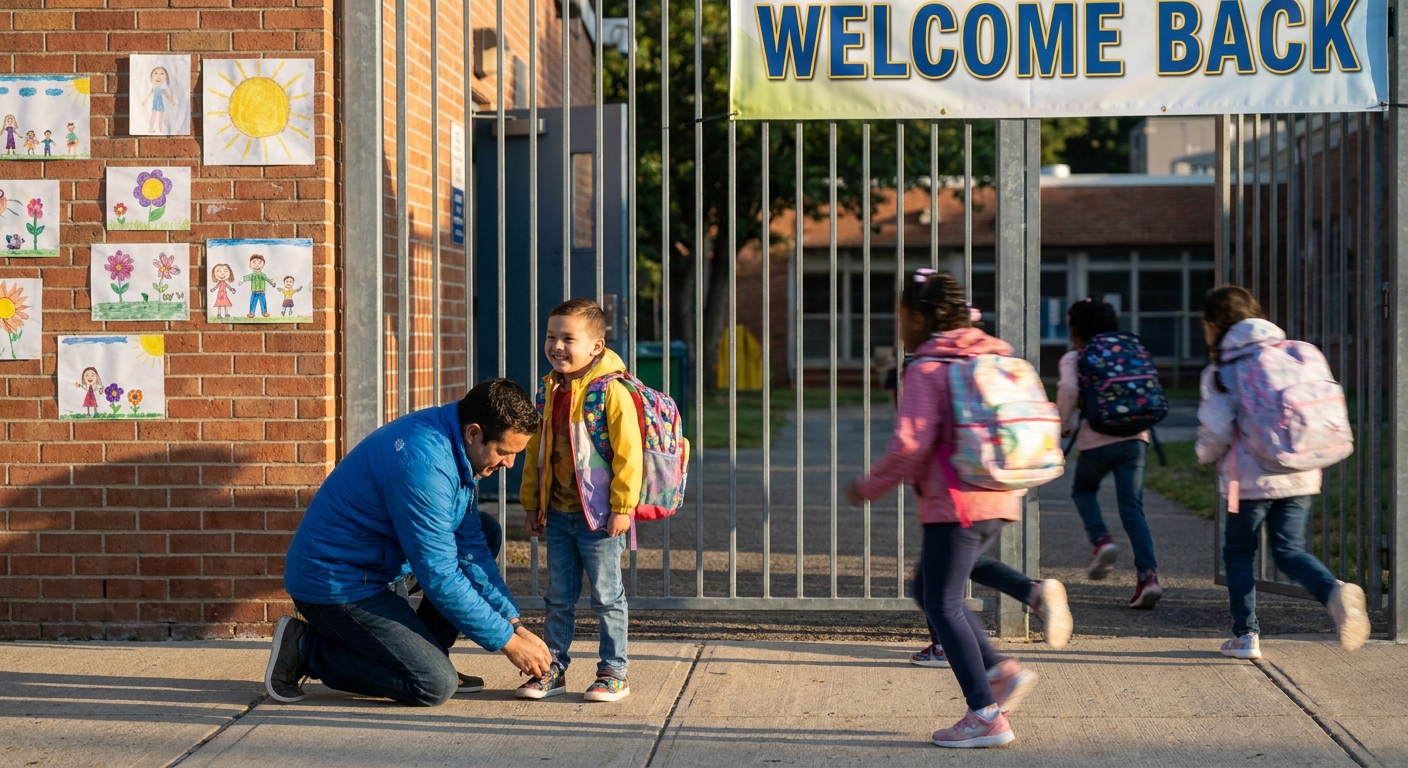
School-age kids grow confidence by doing slightly hard things with support—not by having everything done for them.
Examples of “hard but doable” tasks:
- Ordering their own food at a restaurant.
- Knocking on a friend’s door and asking, “Can you play?”
- Speaking to a teacher about a missing assignment.
- Carrying their own backpack and lunch.
You can scaffold these moments. For example:
Child: “Can you ask the teacher for me?”
You: “I’ll walk over with you, and you can say the words. I’ll be right next to you.”
Over time, step back a little more. Confidence builds when kids see, “I can do hard things, especially when I have support.”
3. Using the Right Kind of Praise
Research suggests that the type of praise we use matters.
- Outcome praise focuses on the result: “You’re so smart!”, “You’re the best player!”
- Effort praise focuses on the process: “You really stuck with that.”, “You tried a new strategy.”
Effort-focused praise teaches kids that their actions matter and that abilities can grow.
Swap these:
- Instead of: “Wow, you got an A! You’re a genius!”
Try: “You worked hard on that project over several days. Your effort really shows.”
- Instead of: “You’re so talented at soccer.”
Try: “I noticed you practicing your kicks all week. That practice is paying off.”
This doesn’t mean you can never say, “You’re so smart”—just make sure most of your praise points to effort, persistence, and choices.
4. Turning Mistakes Into Learning Moments
School-age kids are old enough to understand that mistakes carry information, not just shame.
When something goes wrong, walk them through three gentle questions:
What happened? (Just the facts)
How did it feel? (Name the feelings)
What could we try next time? (Simple, concrete idea)
Example: Your child forgets their homework.
Rather than lecturing:
- “What happened?” → “I left my folder in my desk.”
- “How did it feel?” → “Bad. I was embarrassed.”
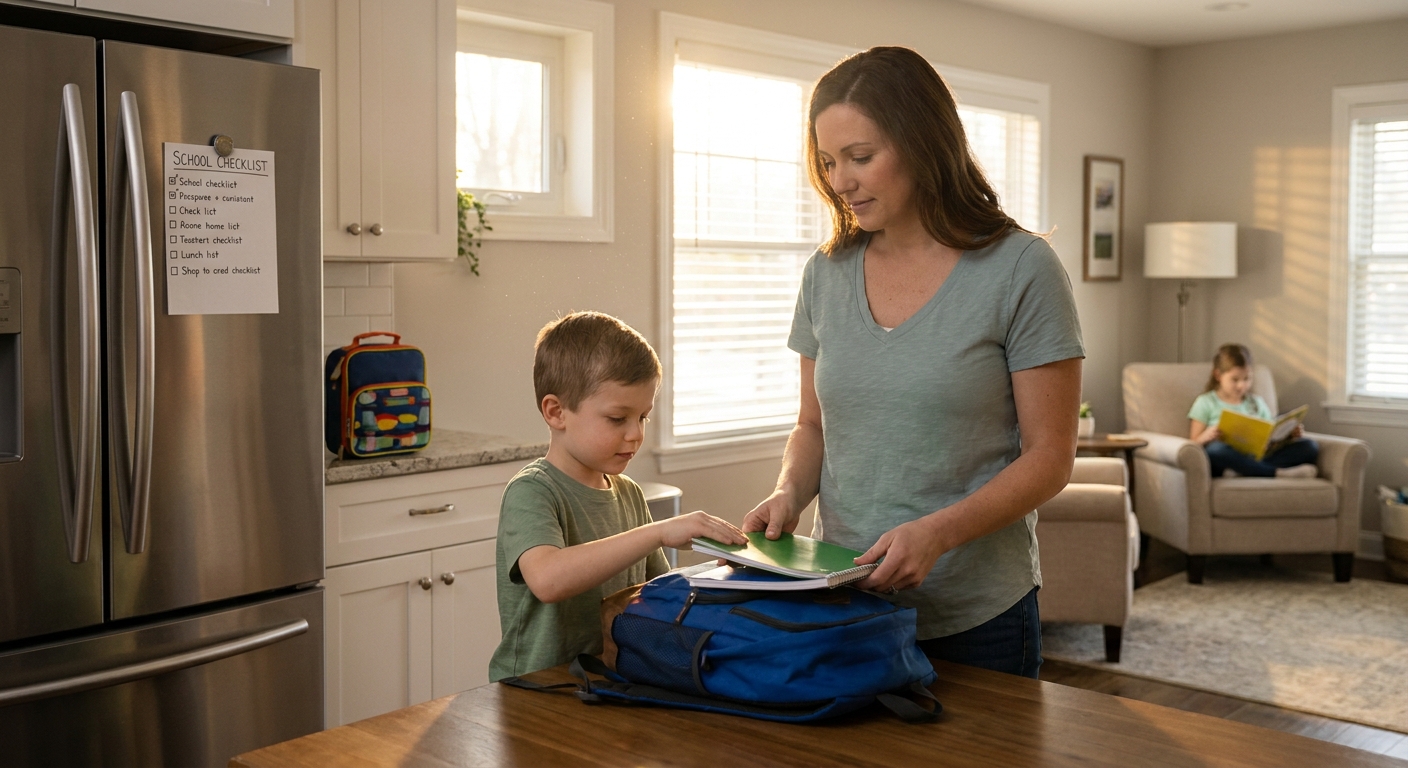
- “What could we try next time?” → “Maybe put it straight in my backpack before I talk to my friends.”
Now they’re building problem-solving skills instead of sinking into, “I’m just bad at this.”
5. Handling Comparisons and Perfectionism
The school years are often when kids start saying:
- “I’m not as smart as them.”
- “I’ll never be good at math.”
- “If I can’t do it perfectly, I don’t want to do it.”
What you can say:
- Name the trap.
“That’s your brain doing the comparison game again. Everyone has strengths and stretches.”
- Focus on personal growth.
“You’re not where they are yet, but look where you are compared to last year.”
- Normalize beginning.
“Nobody starts out great at things. Every expert you see was once a beginner, too.”
Avoid rescuing them from every uncomfortable feeling. Sit with them in it, while gently reminding them that feeling “not good yet” is part of learning.
6. Using Small, Doable Challenges
Kids don’t build confidence by jumping from zero to huge steps. They need small, safe challenges.
Break big tasks into bite-sized pieces:
- Reading: One page tonight, two pages next week.
- Speaking up in class: First, practice at home. Then, share one idea with a partner. Later, try answering one question in class.
- “What would be a small step toward this that feels just a little bit brave, not terrifying?”
You can say:
This helps them develop an internal sense of, “I can inch forward, even when I’m scared.”
7. Modeling the Confidence You Want Them to Learn
Your child is quietly watching how you handle mistakes, stress, and new things.
Try to:
- Name your own learning:
“I’ve never used this app before. I might mess it up the first time, but I’ll figure it out.”
- Own your mistakes calmly:
“I yelled earlier. That wasn’t fair to you. I’m sorry, and I’m working on taking a breath first.”
- Show healthy self-talk out loud:
“This is hard, but I’ve gotten through hard things before.”
You don’t have to be perfectly confident; you just have to be honestly trying. That’s what teaches resilience.
8. When Your Child Seems Extra Hard on Themselves
Some kids are naturally more sensitive or self-critical. They may burst into tears over small setbacks or give up quickly.
You can support them by:
- Validating feelings first:
“You’re really disappointed. That makes sense.”
- Offering a bridge thought:
Instead of trying to jump to “I’m amazing”, try a neutral step:
“I’m learning.” or “I’m working on this.”
- Creating a “proud moments” jar or notebook:
Write down little wins together: “I tried a new food.”, “I read a harder book.” On tough days, revisit them.
If your child frequently talks about hating themselves, or you notice ongoing anxiety, sadness, or big behavior swings, it’s wise to check in with a pediatrician, school counselor, or therapist. Extra support is an act of care, not a failure.
You’re Already Part of Their Confidence Story
If you’ve ever said:
- “I love you no matter what.”
- “I see how hard you tried.”
- “It’s okay to be learning.”
…then you’re already quietly building your child’s confidence.
You don’t need to engineer the perfect childhood or eliminate every struggle. Your steady presence—through tests, friendships, sports, and mistakes—is what teaches your school-age child they are capable and cherished.
They don’t need to be the best to be enough. And neither do you.