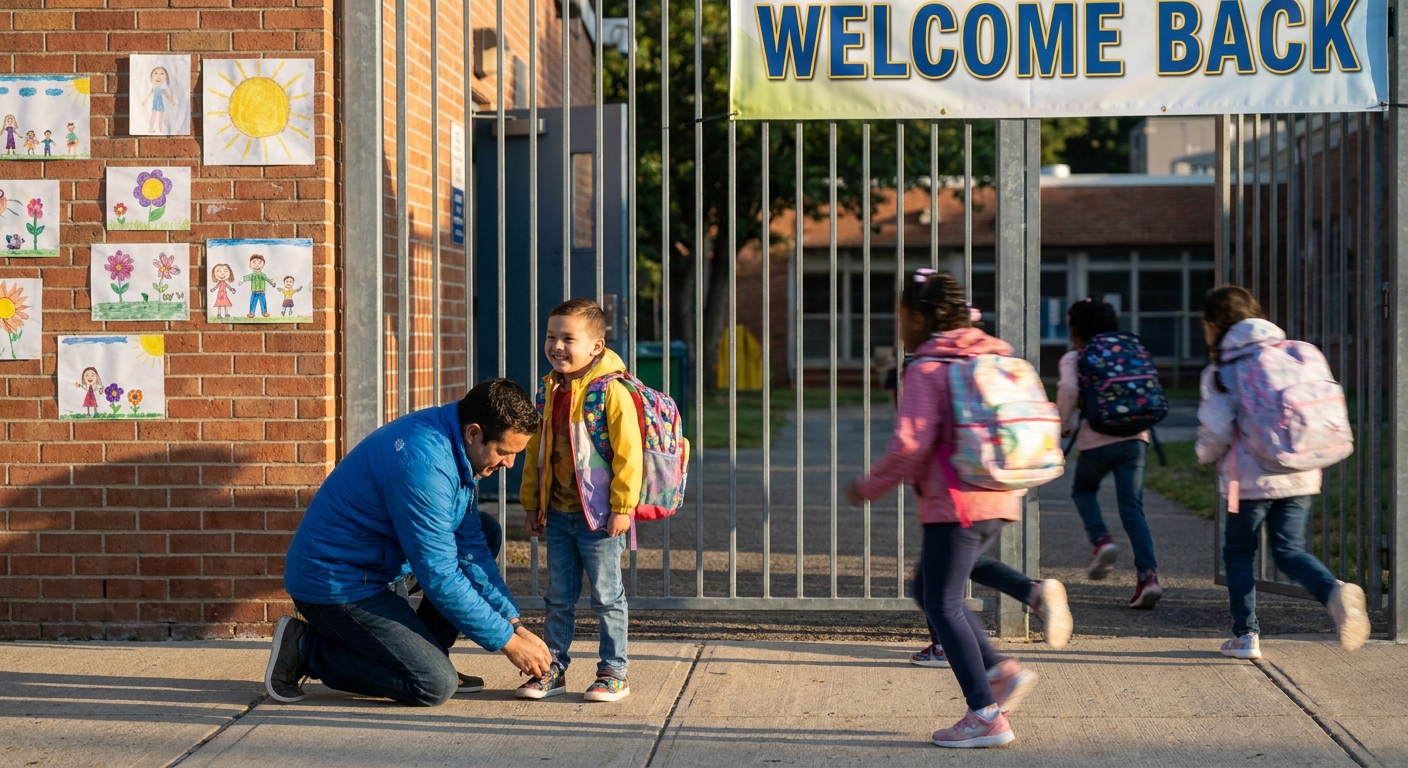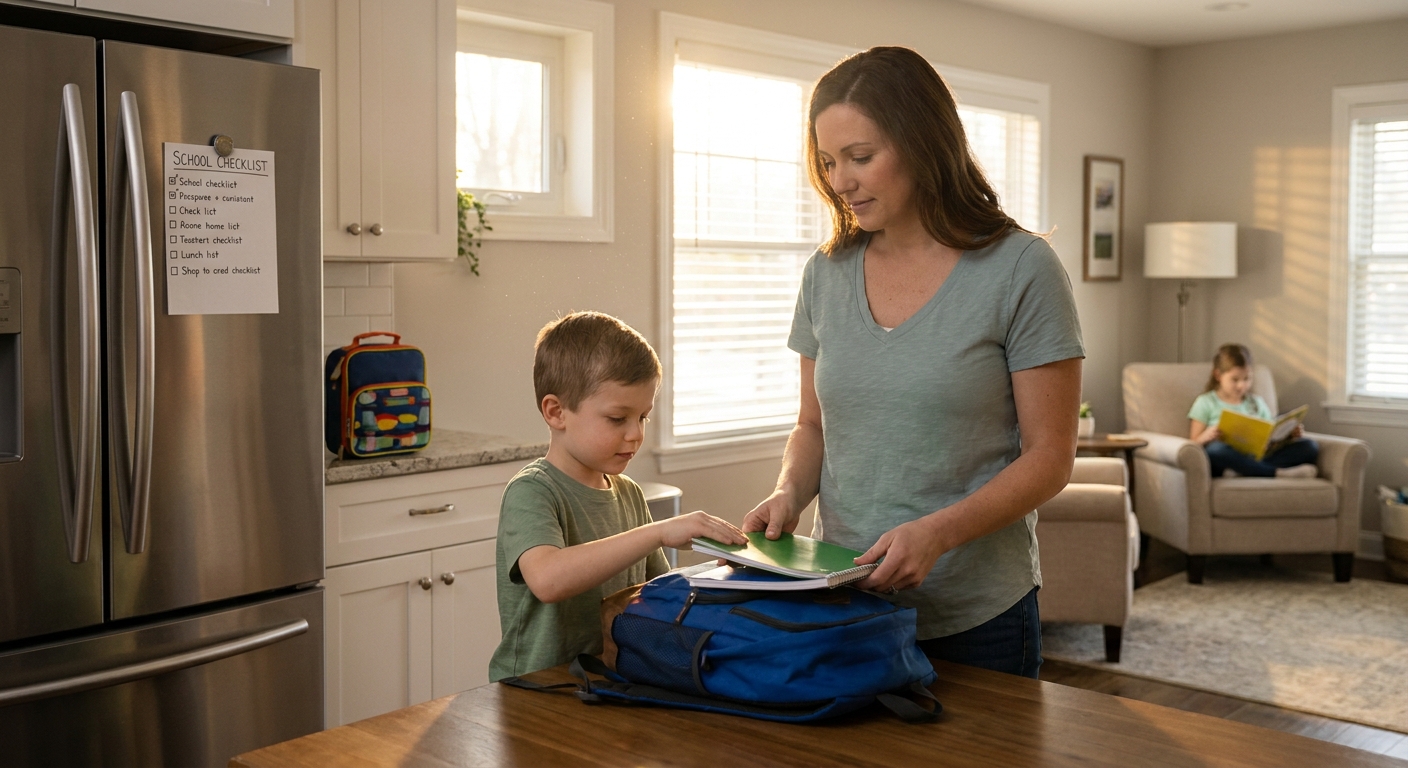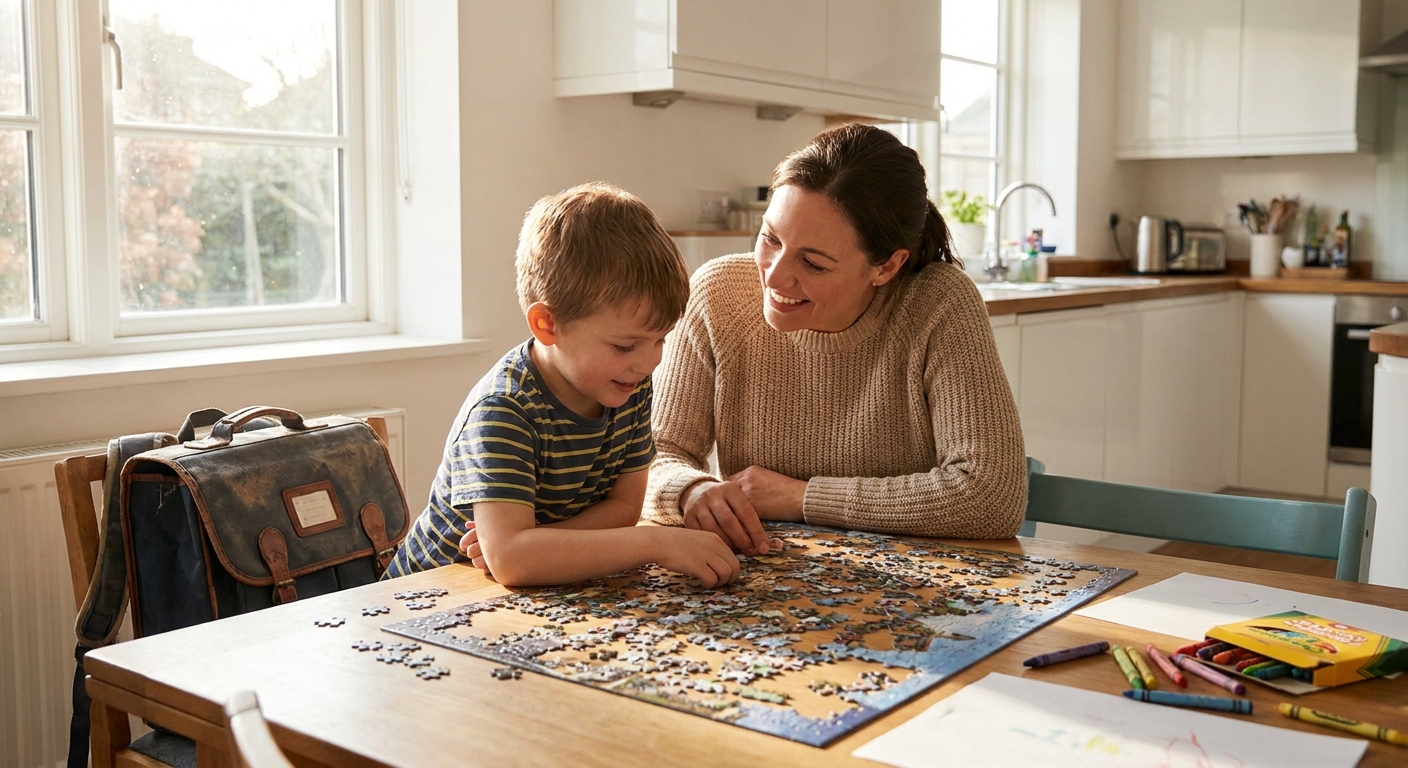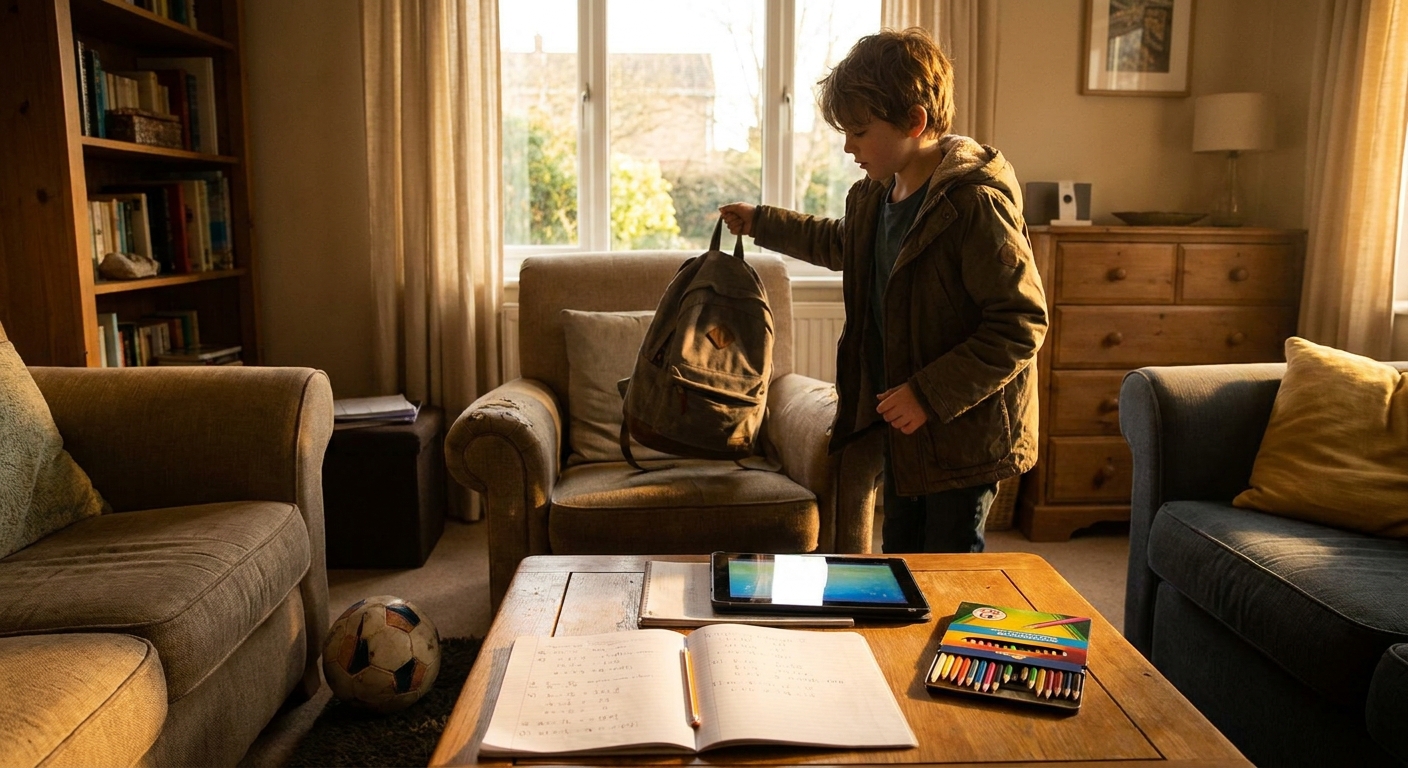
Between homework, activities, screen time, and the simple need for rest, the hours after school can feel strangely short and strangely full. If you’ve ever thought, “Are we doing too much? Or not enough?” you’re in very good company.
The After-School Juggle: Why It Feels So Hard
School-age kids (about 6–12 years old) are in a season of exploration. They’re figuring out what they like, what they’re good at, and how they want to spend their time. Your role is to help them find a healthy mix of movement, rest, creativity, connection, and yes, screens.
Let’s walk through how to create a balanced rhythm that works for your real life—not some Pinterest-perfect version of it.
Step 1: Understand What Your Child Actually Needs
Even though every child is unique, most school-age kids benefit from a daily mix of:
- Physical activity – To burn off energy, reduce stress, and support sleep.
- Unstructured play – To imagine, create, and reset from the structure of school.
- Connection time – With you or other safe adults.
- Quiet focus time – For homework or reading.
- Rest and downtime – Just existing without a goal.
This doesn’t have to be perfectly portioned each day. Think of it like a week-long “diet” of time: some days are heavy on sports, others on rest.
Step 2: Set a Gentle Framework for Weekdays
Create a simple, flexible after-school flow. For example:
Arrive home + snack + decompress (20–30 min)
Homework or reading block (15–40 min)
Active play (outdoor play, sports, bike ride)
Screens or chill time (within your limits)
Dinner + connection
Evening wind-down + bedtime
You can tweak this to fit your schedule—some kids do better with homework after dinner, some need screens later to unwind. The goal is not strict rules, but a predictable rhythm.
Sports and Activities: How Much Is Too Much?
Clubs and sports can be wonderful. They build skills, teamwork, and confidence. They can also lead to over-scheduled, overtired kids (and parents).
A useful rule of thumb from many child development experts: in the elementary years, aim for 1–2 regular extracurriculars at a time, not five.
Signs your child may be over-scheduled:
- Frequent meltdowns, especially on activity days.
- Trouble falling asleep or staying asleep.
- They say things like, “I never get to play,” or “I don’t want to do anything after school.”
- Schoolwork or behavior at school starts slipping.
If you’re seeing these signs, it’s okay to scale back. You might say:
“We’ve tried a lot this season. Next term, let’s choose one activity to really enjoy and keep more time for rest and play.”
Rest is not laziness. It’s a key part of healthy development.
The Screen Time Question (Without the Guilt)
Screens are part of today’s world, and completely banning them is unrealistic for most families. Instead, think in terms of intentional use.
Building a Screen Plan That Works for You
Consider:
- When screens are allowed. (e.g., after homework, not before school)
- Where screens are used. (family spaces vs. bedrooms)
- What types of content are okay. (games, YouTube, messaging, etc.)
- Weekdays: 30–60 minutes, after homework and chores.
- Weekends: More flexible, but balanced with outdoor and social time.
- No devices in bedrooms overnight.
You might decide:
Post the family screen plan somewhere visible. Make it about family values, not punishment:
“In our family, we use screens, but we also protect time for sleep, play, and being together.”
Helping Your Child Transition Off Screens
Turning screens off is often the hardest part. (For adults too.)
Try these strategies:
- Give warnings:
“10 more minutes, then we turn it off.”
“5 more minutes… 2 more minutes…”
- Connect before you direct:
Place a hand on their shoulder, make eye contact: “I know it’s hard to stop; you’re really into this. It’s time to switch now. Do you want to turn it off yourself or should I help?”
- Have a next step ready:
Offer a choice: “After you log off, do you want to help with dinner or go outside for a bit?”
Consistency here matters more than being perfectly strict. If the rule is almost always followed, your child learns that limits are real, not random.
Protecting Unstructured Play (Yes, Even for Big Kids)
It’s easy to assume that once kids start school, they don’t need free play as much. The opposite is true.
Unstructured play helps with:
- Problem-solving and creativity.
- Emotional processing after a long day.
- Social skills negotiation (when playing with siblings or friends).
This might look like:
- Building forts, Lego cities, or pretend worlds.
- Drawing, crafting, or making “inventions” from recycling.
- Playing outside with minimal adult direction.
Try to leave some afternoons each week with nothing on the calendar. Boredom can be the doorway to creativity, especially once screens aren’t automatically offered as the first solution.
Checking In on Your Family’s Balance
Every few months, take a quiet moment to ask yourself:
- Are we all constantly rushing?
- Does my child seem mostly energized and engaged, or mostly drained and irritable?
- Do we have at least one afternoon a week that feels spacious?
- Am I okay, or completely burnt out from driving and juggling?
If your answers lean toward “strained”, you can gently adjust.
You might:
- Drop one activity next season.
- Shorten screen time a bit and reclaim that time for family walks or games.
- Ask your child what they would keep if they could only choose one thing.
Your time, energy, and sanity are part of the equation too.
Sample After-School Routines for Different Kids
For the High-Energy Kid
- Home + snack.
- 20–30 minutes of active play (outside, trampoline, dancing).
- Short homework block.
- Screen or quiet activity.
- Dinner, bath, and bedtime routine.
For the Sensitive or Easily Overwhelmed Kid
- Home + quiet snack in a cozy corner.
- 20–30 minutes of free play alone or with one sibling.
- Homework in short chunks with breaks.
- Light screen time or calm games.
- Early bedtime routine, extra wind-down.
For the Social Butterfly
- One or two planned playdates a week (not daily).
- Clear end times so evenings don’t run late.
- At least one screen-free family night weekly with games, baking, or movies together.
These are just templates; you can adjust based on your child’s temperament and your family’s needs.
Remember: Balance Looks Different in Every Season
Some weeks will be heavy on sports. Others, you’ll lean into rest and more cartoons than usual because everyone is sick or exhausted. That doesn’t mean you’ve “failed” the balance test.
Over the long run, if your school-age child has:
- Time to move,
- Time to play,
- Time to connect,
- Time to sleep,
…you’re doing what matters most.
You don’t have to get every afternoon right. You have many, many chances to adjust the mix. Your presence, your willingness to notice how your child is doing, and your courage to tweak the schedule—those are the real anchors of balance.