Stomachaches before school. Tears at drop-off. “My teacher hates me.” “I don’t want to go.” If your school-age child (around 5–11 years old) is suddenly anxious about school, it can leave you wondering: “Is this just a phase, or something more?”
School Anxiety: You’re Not Imagining It
Anxiety in the school years is common and very real. The good news: with warmth, steady routines, and some simple tools, most kids can learn to handle big school feelings—and you don’t have to be a therapist to help.
What School Anxiety Can Look Like
Anxiety doesn’t always show up as obvious fear. Sometimes it’s hiding underneath behavior that looks like “attitude” or “defiance.”
You might notice:
- Physical complaints: stomachaches, headaches, nausea—especially on school mornings.
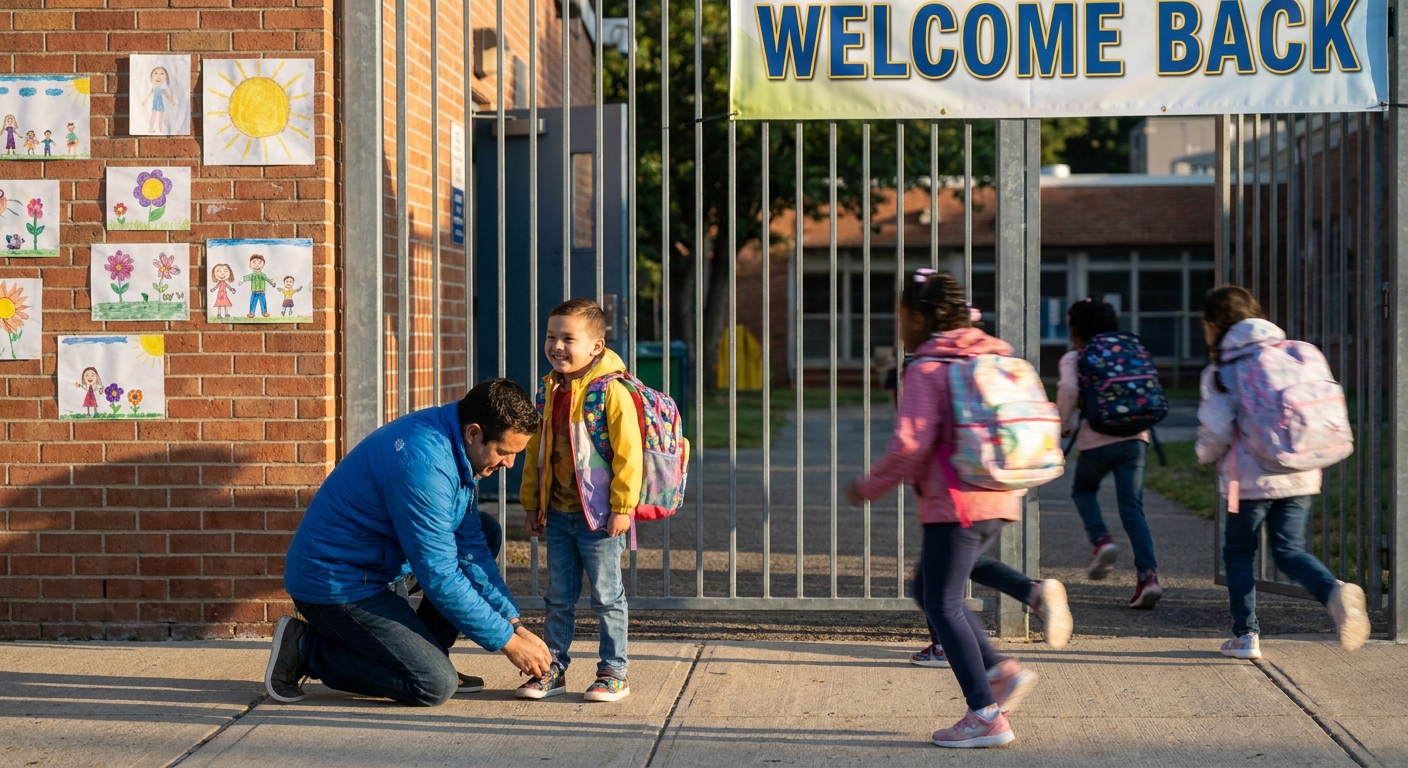
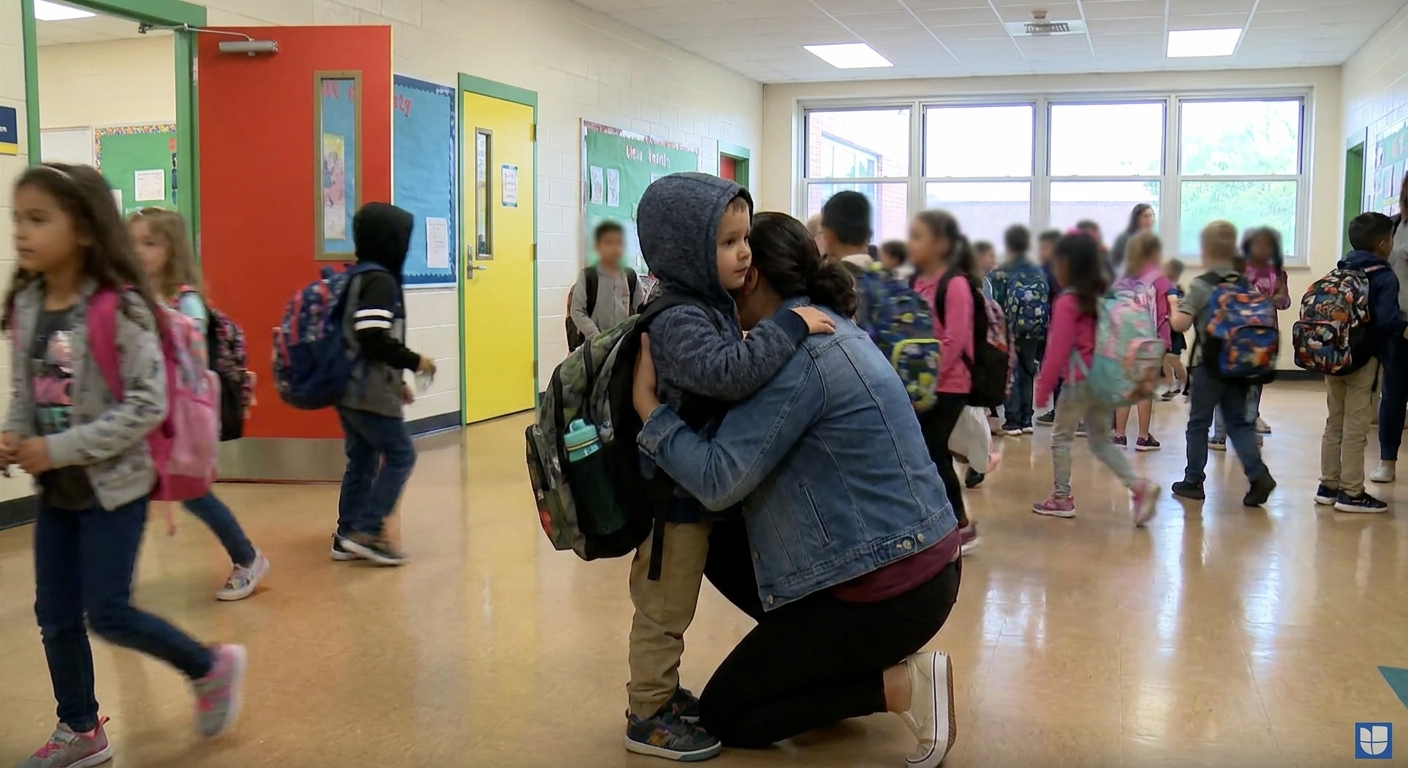
- Clinginess or tears at drop-off.
- Refusing to get dressed, move, or go to the car.
- Angry outbursts about schoolwork, homework, or teachers.
- Trouble sleeping Sunday nights or before big school events.
These are not signs of a “bad kid.” They’re signs of a worried brain doing whatever it can to avoid discomfort.
Step 1: Stay Steady on the Outside, Even if You’re Worried on the Inside
Your child’s nervous system is watching your nervous system. When you stay mostly calm and grounded, they get the message: “This is hard, but we can handle it.”
What this can sound like:
- “I see you’re really worried about school. I’m listening.”
- “Your tummy hurts and you’re nervous. That’s anxiety talking. Let’s help your body feel safer.”
- “School is still happening today, and I’m going to help you through it.”
You don’t have to fix it in one conversation. Start by being a safe place for the feelings.
Step 2: Validate First, Problem-Solve Later
Kids shut down when they feel dismissed. Before you reassure, pause and validate.
Instead of:
“There’s nothing to be scared of. You’ll be fine.”
Try:
- “It makes sense you feel nervous. School can feel really big.”
- “You’re worried the kids might laugh at you. That’s a scary thought.”
After they feel heard, you can gently move into coping ideas.
Step 3: Get Curious About the “Worry Story”
Ask open-ended, non-judgmental questions to understand what’s driving the anxiety.
You might ask:
- “If your worry had a voice, what would it say about school?”
- “What’s the hardest part of the day?” (morning line-up, recess, lunchtime, tests?)
- “When do you feel okay at school?” (art, reading corner, with a certain friend?)
- Separation from you.
- Academic pressure (reading aloud, tests).
- Social dynamics (friends, bullying, feeling left out).
- Sensory overload (noise, crowds, transitions).
Sometimes the worry is about:
Each root needs a slightly different kind of support.
Step 4: Team Up With the Teacher (You’re Not Bothering Them)
You are not being “that parent” for reaching out. Teachers see school anxiety often and usually want to help.
Send a simple email like:
“We’ve noticed that [child’s name] has been very anxious about school lately (crying, stomachaches, saying they’re scared). They mention [specific concern if you know it]. Could we check in about what you’re seeing and brainstorm a plan together?”
Potential supports might include:
- A consistent greeter at the classroom door.
- A quiet job to do on arrival (passing out papers, feeding the class pet).
- A signal they can use if they feel overwhelmed.
- Seating changes or small group work if social pressure is high.
School staff—teachers, counselors, psychologists—are part of your child’s team.
Step 5: Build a Predictable Morning Routine
Anxious brains love predictability. A calm, repeated routine makes mornings feel less scary.
Consider:
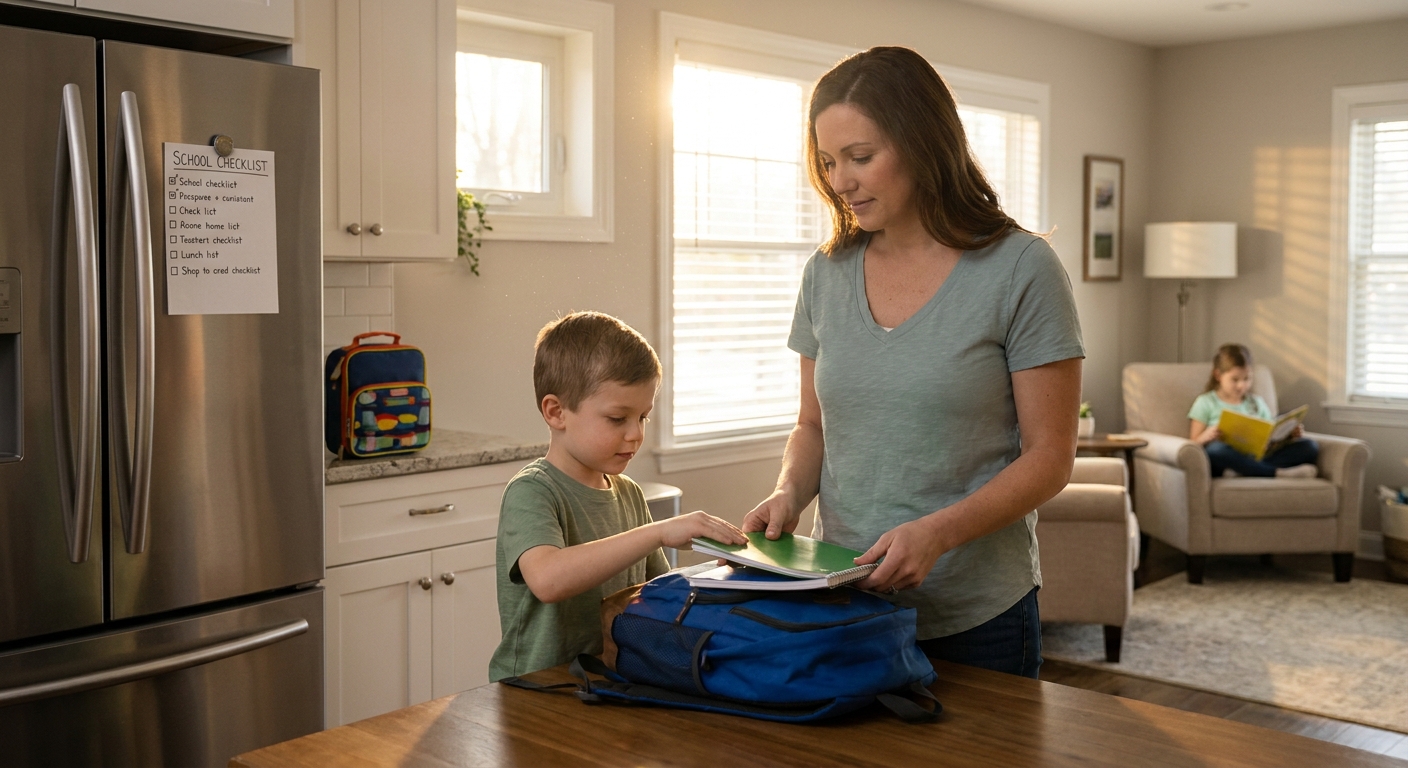
- Prep the night before: backpack packed, clothes chosen, lunch ready.
- Same order each morning: wake up → bathroom → dress → breakfast → brush teeth → shoes/backpack.
- A goodbye ritual: a hug, a mantra, a secret handshake.
You might say at the door:
“I know this is hard. I also know you can do hard things. I’ll see you at pick-up time, just like yesterday.”
Keep your goodbye brief but warm—long, drawn-out goodbyes often increase anxiety.
Step 6: Teach Simple Coping Tools for the School Day
Kids benefit from concrete, easy-to-remember strategies they can use without you.
A Few Kid-Friendly Tools:
Balloon Breathing
- Hands on belly. - Breathe in through the nose, feel the “balloon” inflate. - Breathe out slowly through the mouth. Practice together at bedtime so it feels familiar.
Five Senses Grounding
- Name 5 things you can see. - 4 things you can feel. - 3 things you can hear. - 2 things you can smell. - 1 thing you can taste. This pulls their brain out of scary “what ifs” and back into the present.
Helpful Thought Swap
- Worry thought: “I can’t do this.” - Helper thought: “I don’t like this, but I can get through it.” or “I’ve done hard days before.”
Write these tools on a small card in their backpack if that helps.
Step 7: Keep School Attendance the Goal (With Compassion)
Avoiding school can make anxiety worse over time, because the brain learns: “The only way to feel safe is not to go.”
That doesn’t mean you throw them in the door and walk away. It means you:
- Acknowledge feelings: “I know this feels awful right now.”
- Offer support and coping tools.
- Still expect that school attendance is the plan most days.
If your child absolutely cannot go some days, work with the school and your pediatrician. The goal is to face the fear in manageable steps, not to shame or force.
Step 8: Notice Your Own Triggers and Take Care of You
Your child’s anxiety may stir up your own memories or fears. You might feel pressured by work, school rules, or other parents’ opinions.
When you feel yourself flooding with panic, guilt, or anger, try:
- A few slow breaths before responding.
- A simple self-reminder: “I can be calm enough right now.”
- Reaching out to another adult later to vent or debrief.
Feeling stressed doesn’t mean you’re failing; it means you care. Getting your own support makes it easier to be your child’s calm anchor.
When to Consider Extra Professional Help
It’s wise to talk to your child’s doctor, a school counselor, or a child therapist if:
- School refusal is happening often, not just occasionally.
- Anxiety is causing major sleep problems or appetite changes.
- Your child talks about not wanting to be alive, or seems persistently sad or withdrawn.
- Nothing you’re trying seems to help over several weeks.
Early support can prevent anxiety from growing bigger and teaches your child lifelong coping skills. Seeking help is a strong, loving choice—not an admission of defeat.
You and Your Child Are on the Same Side
On the hardest mornings, it can feel like you and your child are battling each other. But truly, it’s you and your child versus the anxiety, together.
When you:
- Believe their feelings, even if they don’t make sense to you,
- Stay calmly consistent about school,
- Offer tools and teamwork,
…you’re already doing so much right.
Your child doesn’t need you to erase every hard feeling. They need to know that when school feels big and scary, they’ve got a grown-up who will sit beside them, listen to the worry, and walk with them toward courage—one school day at a time.